
Fitness Tips
Training, nutrition, recovery and mindset - practical advice from our coaches to help you get stronger and stay consistent.
Watch Matt Pack explain the benefits of ISOPHIT isometric training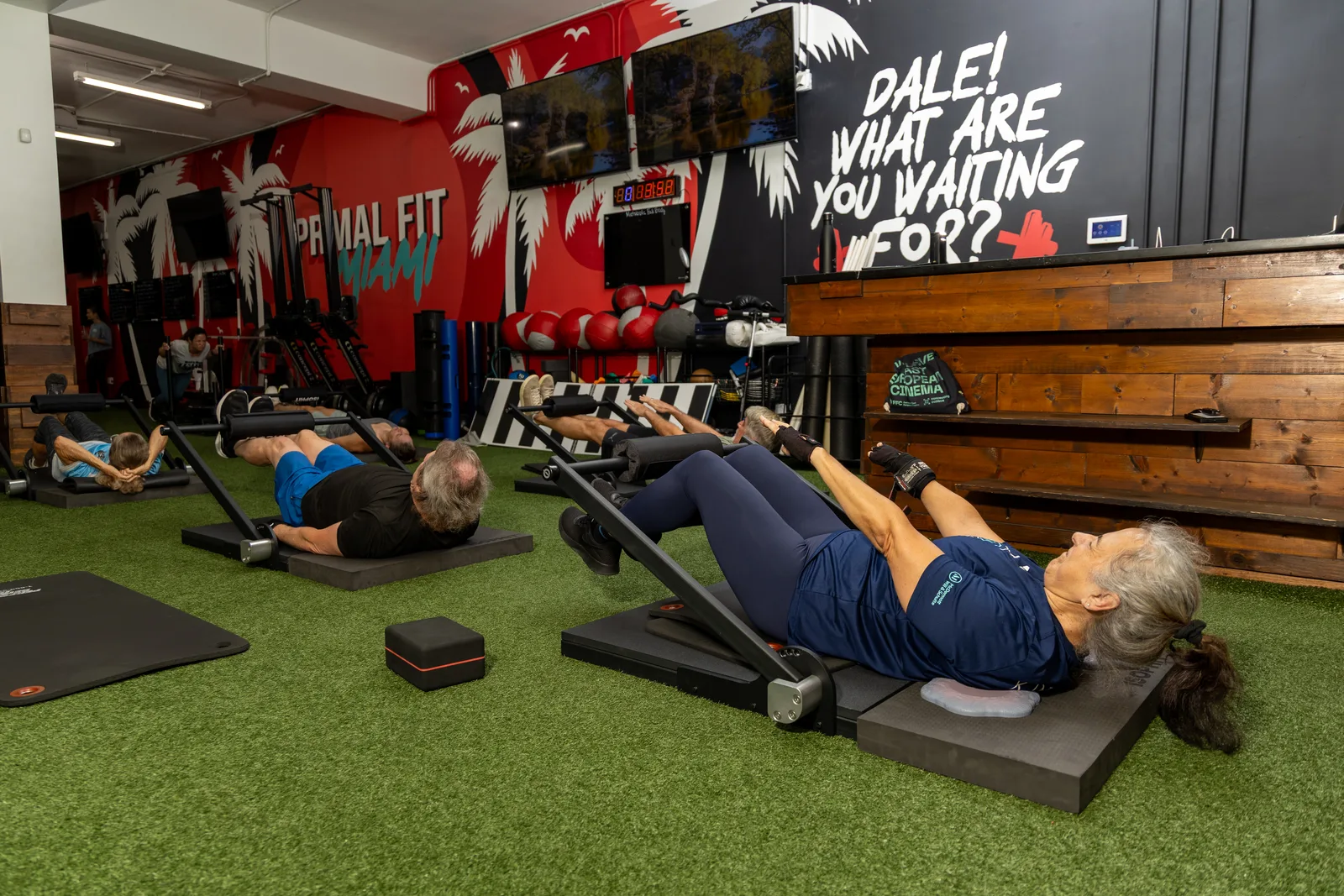 Strength Training
September 23, 2026
How Should You Measure Fitness Progress After 50?
Fitness progress after 50 is about more than weight. Learn seven useful measures of strength, balance, mobility, body composition and real-life function.
Read more →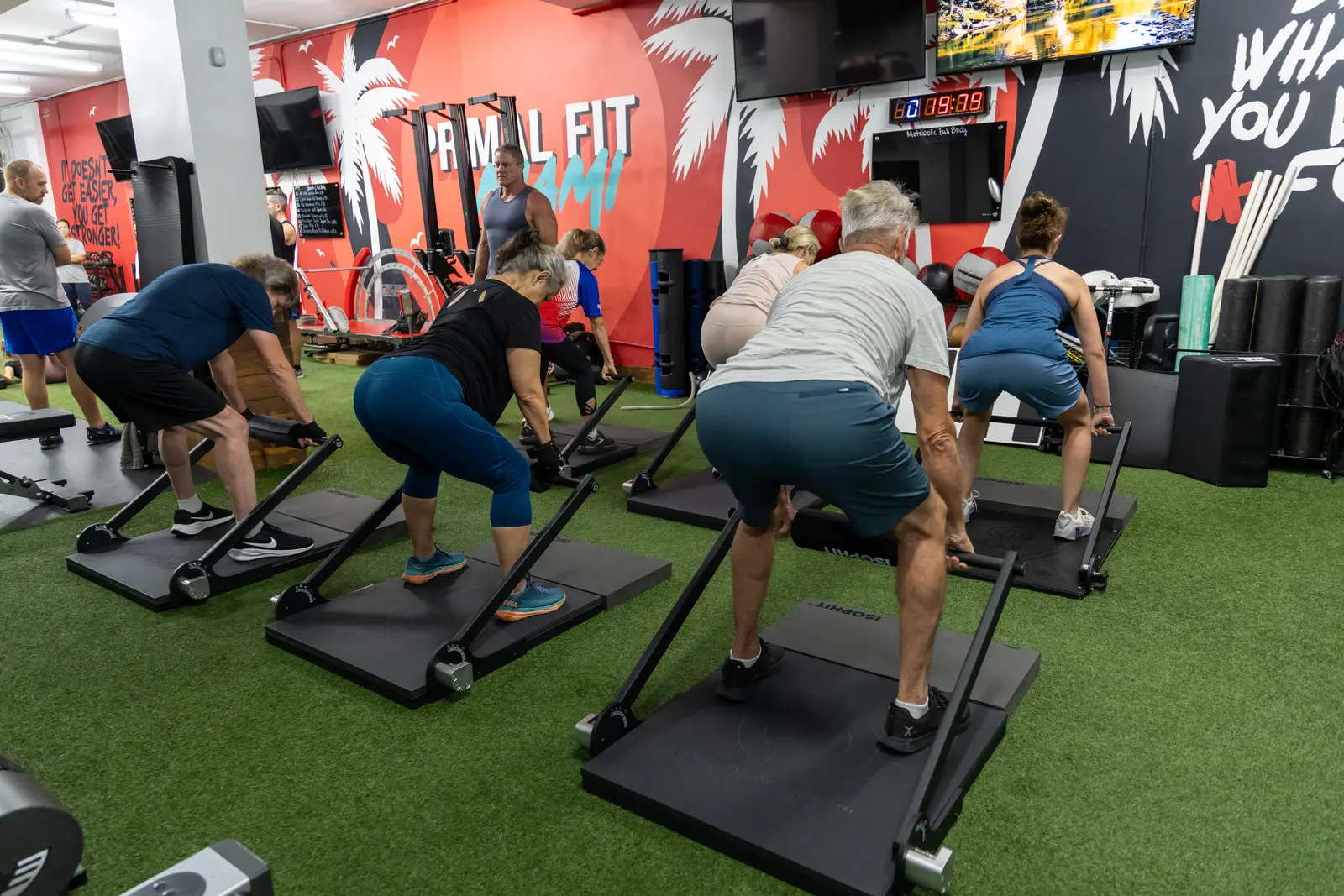 Strength Training
September 16, 2026
Can Isometric Exercise Help Lower Blood Pressure?
What a major 2023 analysis and the 2025 guideline say about isometric exercise and resting blood pressure, and how adults 50+ can train more safely.
Read more →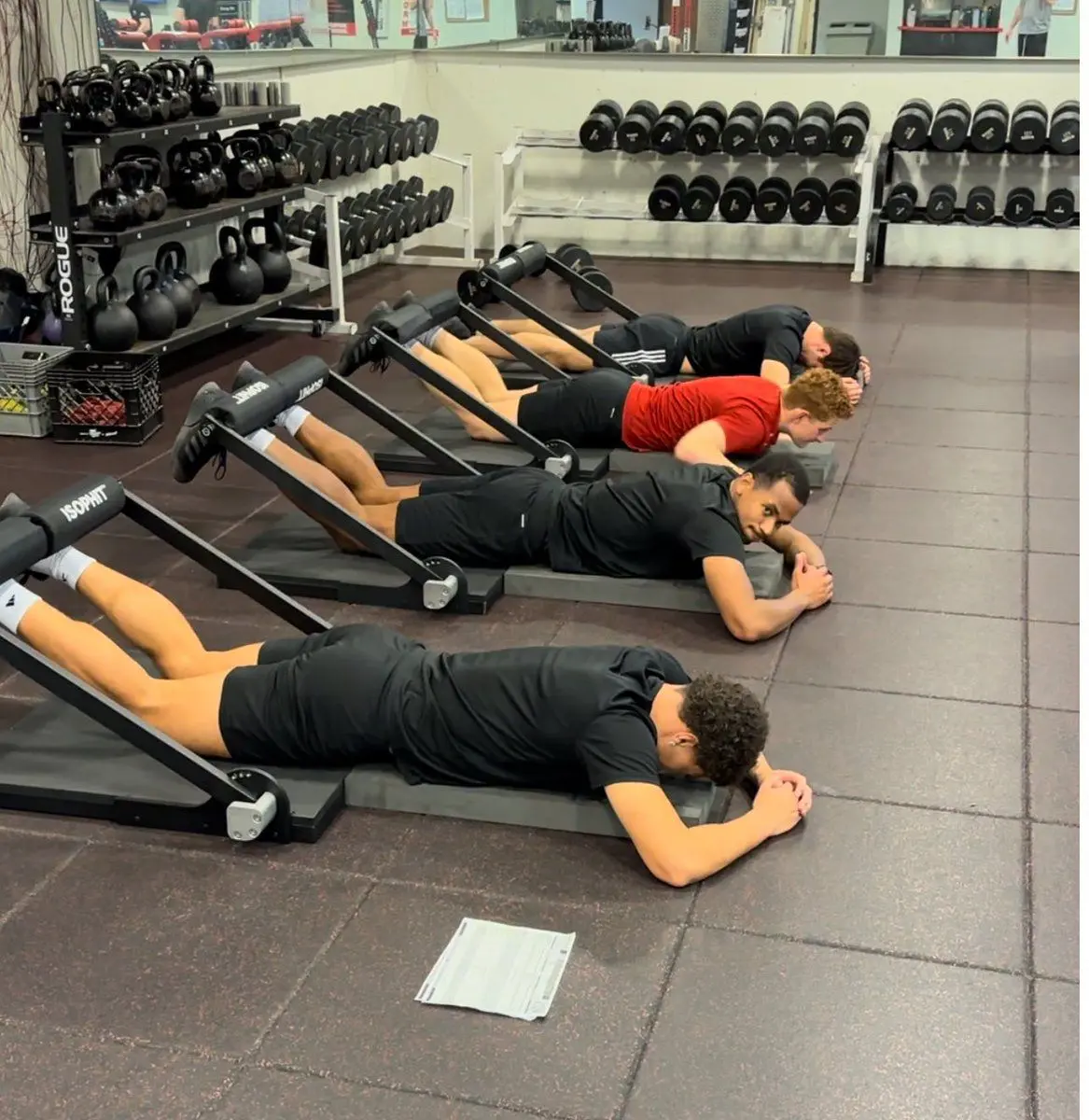 Strength Training
August 31, 2026
Kids Are Moving. But Are They Actually Getting Stronger?
Activity is not the same as strength. Why kids and adults need deliberate, measurable strength training alongside sport, PE and daily movement.
Read more →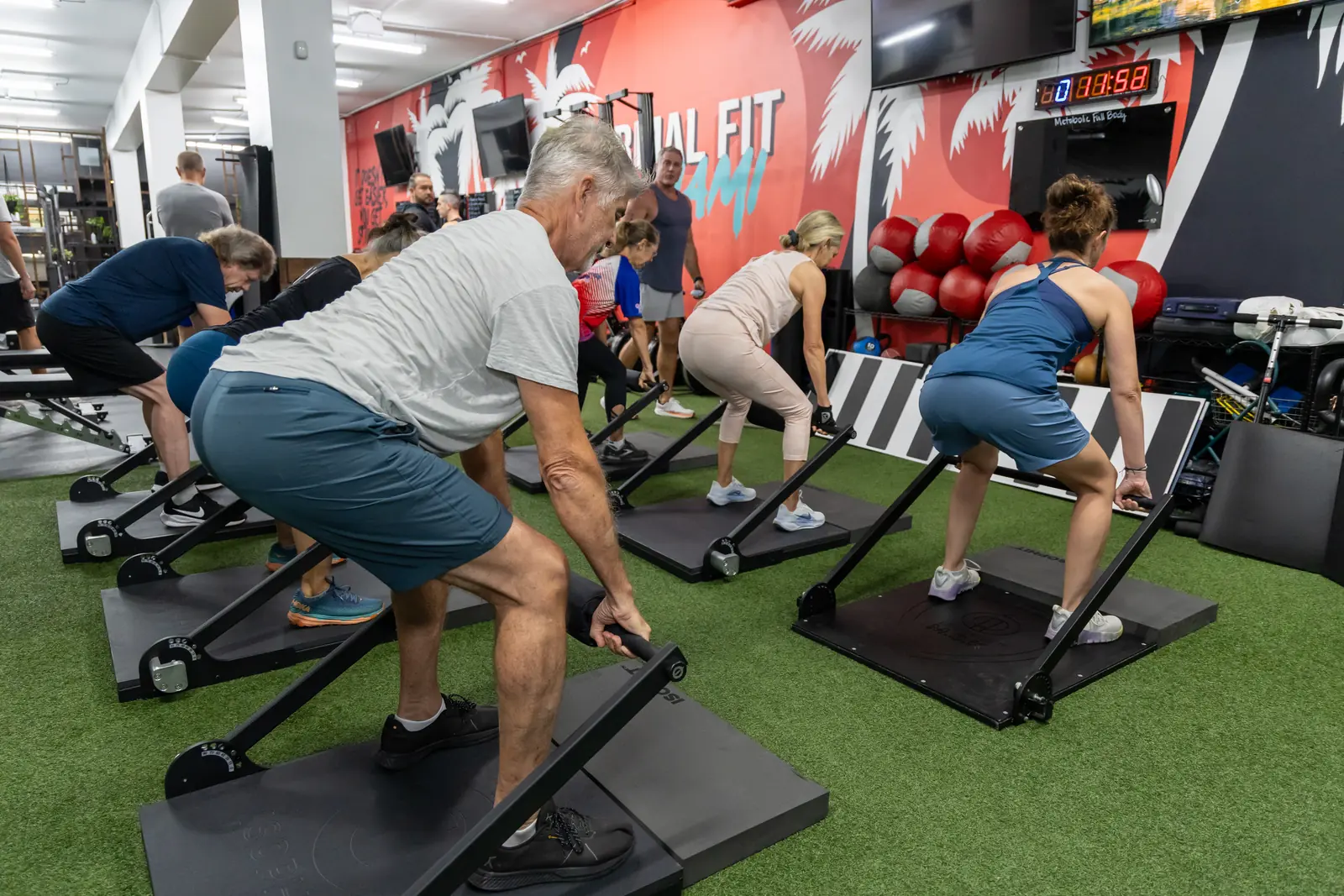 Mindset & Lifestyle
August 26, 2026
Can Strength Training Build Resilience? The Value of Chosen Challenge
Learn how appropriately challenging strength training can build confidence and self-efficacy without turning exercise into punishment or exhaustion.
Read more →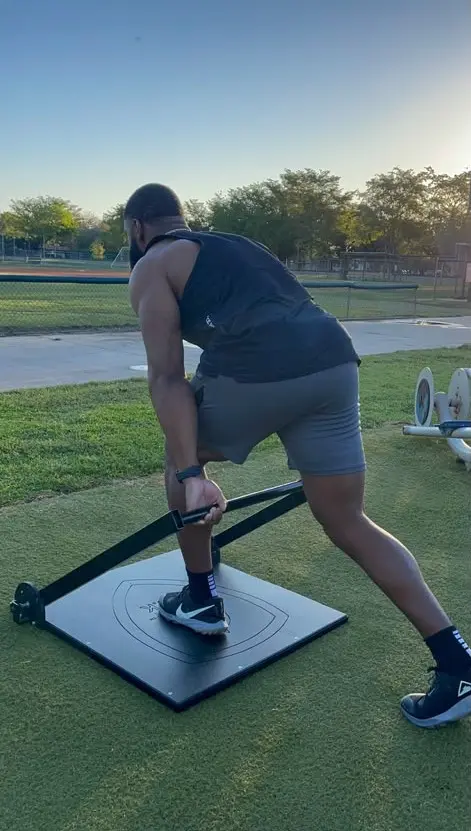 Strength Training
August 24, 2026
Isometric Training for Athletes: How It Builds Force and Control
Learn how athletes use isometric training to build force, train key joint angles, and complement dynamic strength work at Primal Fit Miami.
Read more →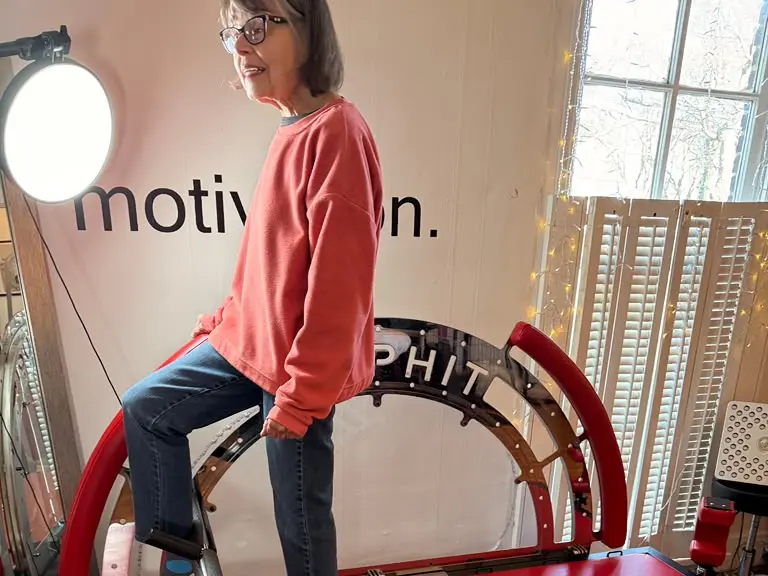 Strength Training
August 15, 2026
Does Isometric Exercise Build Strength? Why Force Matters More Than Movement
Learn how isometric exercise builds force, how coaches progress it, and why Prime Strength 30 offers adults 50+ a focused approach in Miami Shores.
Read more →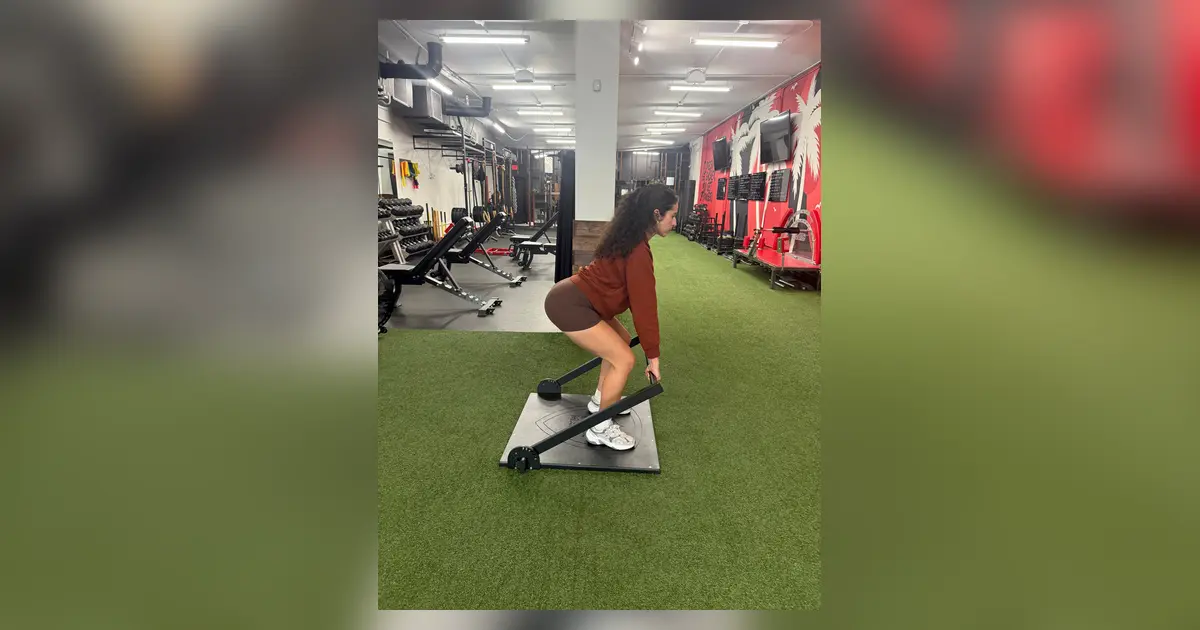 Strength Training
August 13, 2026
Isometric Strength and Longevity: Why Strength May Matter More Than You Think
Learn how isometric strength training may support strength, healthy aging and independence after 50, plus how Prime Strength 30 works in Miami Shores.
Read more →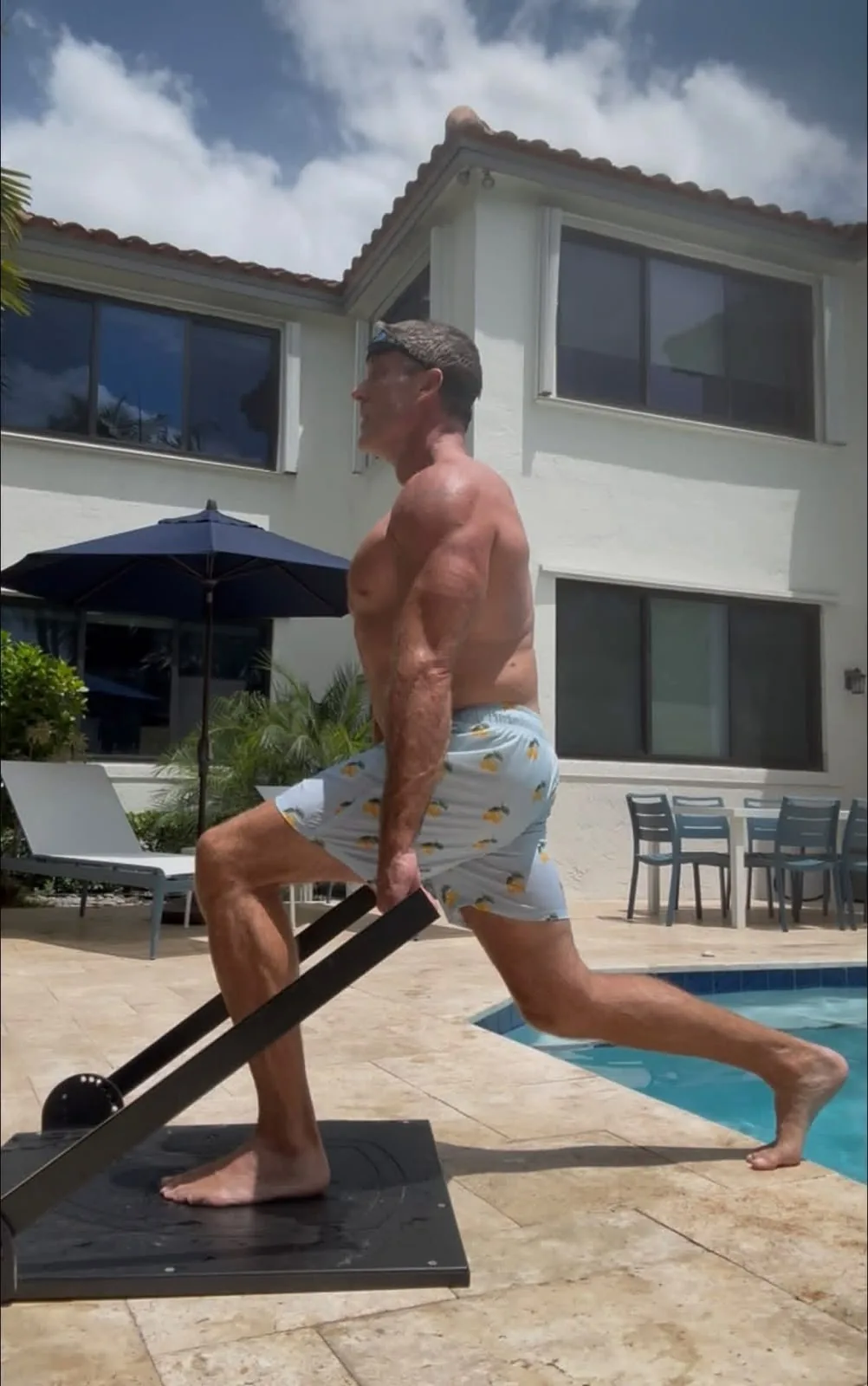 Strength Training
August 8, 2026
After 30 Years of Coaching, I’m Rethinking What Strength Really Means
Discover why Primal Fit Miami founder Matt Pack is embracing isometric strength training for adults 50+. Meet Prime Strength 30, a 12-week, coach-led program near Miami Shores.
Read more →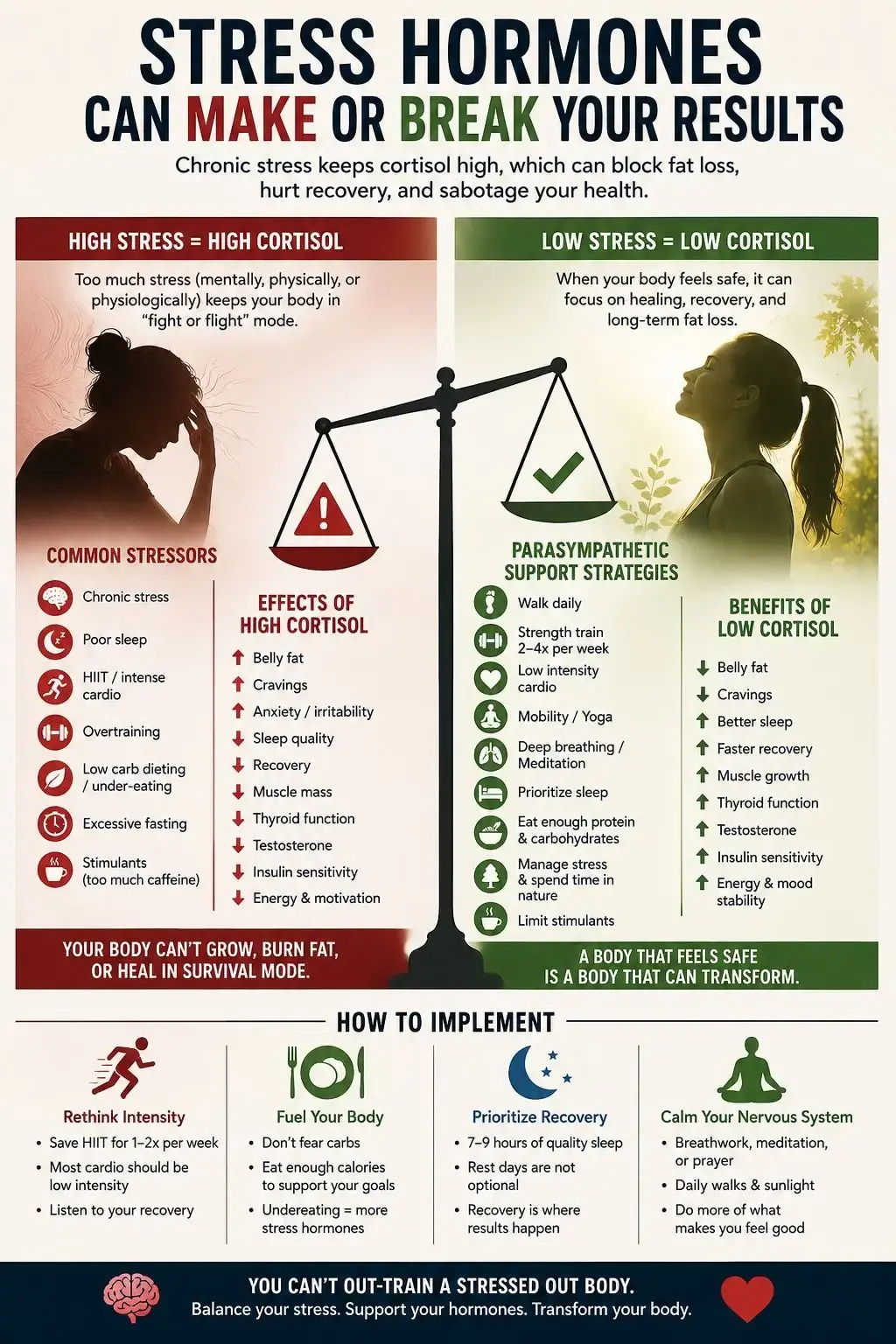 Fat Loss
May 22, 2026
Stress, Cortisol, and Fat Loss in Miami Shores: Why More Exercise Is Not Always Better
Chronic stress can make fat loss, recovery, sleep, and energy harder. Learn how strength training, walking, recovery, and smart nutrition support better results in Miami Shores.
Read more → Strength Training
May 21, 2026
GLP-1 and Strength Training in Miami Shores: How to Lose Fat Without Losing Muscle
Using a GLP-1 for weight loss? Learn how strength training, protein, walking, recovery, and smart carbohydrate intake can help protect muscle and support better results in Miami Shores.
Read more →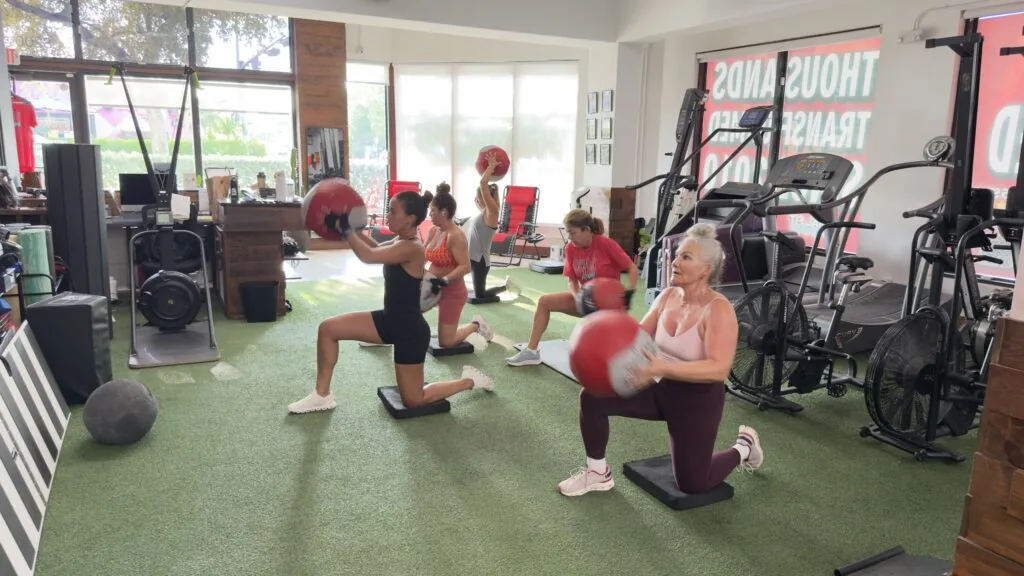 Fat Loss
May 13, 2026
How Miami Locals Are Getting Lean for Summer Without Crash Dieting
Discover how busy adults in Miami Shores are getting lean for summer through strength training, better nutrition, recovery, and accountability, not crash diets.
Read more → Recovery & Mobility
February 20, 2026
Recovery, Sleep, and Performance: What Most People Ignore in Miami
Recovery, Sleep, and Performance: What Most People Ignore in Miami By Matt PackPrimal Fit Miami Recovery, sleep, and performance are three variables most people ignore when trying to get stronger, leaner, and healthier. In Miami, many people train hard, stay busy, and push through fatigue, yet they overlook the one factor that directly impacts muscle growth, fat loss, and long-term results: recovery quality. At Primal Fit Miami, we see this every week. Clients show up motivated. They train consistently. But progress stalls. Why? Sleep deprivation, poor recovery habits, and chronic stress limit performance far more than most realize. In this article, we will explain how recovery and sleep impact strength training in Miami, fat loss results, athletic performance, and injury prevention. If you train hard but feel stuck, this may be what you are missing. Why Recovery Matters More Than Most Workouts Most people think results come only from intense training sessions. The truth is simple. Progress happens during recovery. When you lift weights or perform semi-private training sessions, you create microscopic muscle damage. Your body repairs that damage during rest. If recovery is poor, your body cannot rebuild effectively. Recovery directly impacts: Muscle growth Fat loss efficiency Hormone balance Injury prevention Energy levels Strength performance In a fast-paced city like Miami, sleep is often sacrificed. Late nights, long work hours, social events, and stress all interfere with quality recovery. Over time, this reduces performance inside the gym. At Primal Fit Miami, we teach clients that training stimulus plus structured recovery equals results. Without recovery, hard work becomes wasted effort. The Science of Sleep and Muscle Performance Sleep is the foundation of recovery. During deep sleep cycles, your body releases growth hormone. This hormone supports: Muscle repair Fat metabolism Tissue regeneration Immune function Research shows that sleeping fewer than six hours per night reduces testosterone levels and increases cortisol. High cortisol slows fat loss and increases muscle breakdown. For clients focused on strength training in Miami, sleep is non-negotiable. Poor sleep reduces: Power output Reaction time Coordination Recovery speed Many people blame their program when progress slows. Often, the real issue is sleep quality. If you are training three to four times per week at a gym in Miami but sleeping five hours per night, your body cannot keep up with demand. Signs You Are Under-Recovered Many active adults in Miami experience under-recovery without realizing it. Common signs include: Constant muscle soreness Plateaued strength numbers Increased cravings Poor focus during workouts Irritability Frequent minor injuries Low motivation Recovery is not just about feeling rested. It is about physiological readiness. At Primal Fit Miami, we monitor performance trends. When lifts decrease or energy drops, recovery habits are often the missing piece. Recovery vs Overtraining: What Is Really Happening? Many people think they are overtraining. In reality, most are under-recovering. Overtraining is rare. Under-recovery is common. The difference: Overtraining Extremely high volume for extended periods Severe performance decline Hormonal disruption Under-recovery Moderate training volume Poor sleep High stress Inconsistent nutrition Limited mobility work Most Miami professionals fall into the second category. They train consistently, but combine it with: Long desk hours High work stress Inconsistent sleep schedules Minimal mobility training This combination reduces performance and slows fat loss. How Recovery Impacts Fat Loss in Miami Fat loss is hormonal. Sleep deprivation increases ghrelin, the hunger hormone, and decreases leptin, the fullness hormone. This makes cravings stronger and portion control harder. Poor recovery also increases cortisol, which promotes fat storage, particularly around the midsection. For clients in Miami Shores and surrounding areas who want sustainable fat loss, recovery habits matter just as much as training intensity. At Primal Fit Miami, we emphasize: Structured strength training Mobility work Sleep optimization Stress management Fat loss is not about training harder. It is about recovering smarter. The Role of Mobility and Active Recovery Recovery does not only mean sleeping more. It also includes: Assisted stretch therapy Mobility training Light movement sessions Proper hydration Breath work Many clients combine semi-private training with stretch therapy sessions at Primal Fit Miami. This improves circulation, reduces stiffness, and supports long-term joint health. Active recovery improves: Range of motion Muscle elasticity Injury prevention Performance consistency In Miami’s active environment, structured mobility work separates short-term effort from long-term progress. Sleep Optimization Tips for Busy Miami Professionals Many clients ask how to improve sleep while maintaining a busy schedule. Here are practical strategies: Keep a consistent sleep schedule, even on weekends Avoid high-intensity training too late at night Reduce screen exposure one hour before bed Keep the room cool and dark Limit caffeine after early afternoon Prioritize protein intake to support muscle repair Small adjustments can dramatically improve recovery quality. At Primal Fit Miami, we often help clients integrate these habits alongside their training plan. Recovery for Athletes in Miami Shores Athletes training year-round in Miami need structured recovery protocols. Whether you run, lift, swim, or play recreational sports, your body accumulates stress. Without proper recovery: Power declines Injuries increase Fatigue accumulates Performance stagnates Athletes benefit from: Two strength sessions per week One to two mobility sessions At least seven hours of sleep Active recovery days Performance improvement is not just about intensity. It is about balance. Why Most Gyms Do Not Talk About Recovery Many gyms focus on intensity. Sweat sells. Fatigue feels productive. But long-term results come from intelligent programming. At Primal Fit Miami, we design programs that balance: Semi-private strength training Mobility sessions Recovery integration Lifestyle coaching We do not believe in burnout cycles. We believe in sustainable performance. Recovery is not weakness. It is a strategy. Is Recovery the Missing Piece in Your Training? If you: Train consistently, but see slow progress Feel constantly sore Struggle with energy Have persistent tightness Experience stalled fat loss Recovery and sleep may be the limiting factors. In Miami, ambition runs high. People work hard and train hard. But few prioritize structured recovery. The difference between average results and exceptional results is not more effort. It is a smarter recovery. Recovery and
Read more →FAQ
Frequently Asked Questions
Ready to put this into practice?
Book a free consultation - we'll turn these tips into a plan made for you.