
Fitness Blog Miami | Primal Fit Insights
Explore expert fitness tips, fat loss strategies, and strength training advice from Primal Fit Miami. Real insights to help you train smarter.
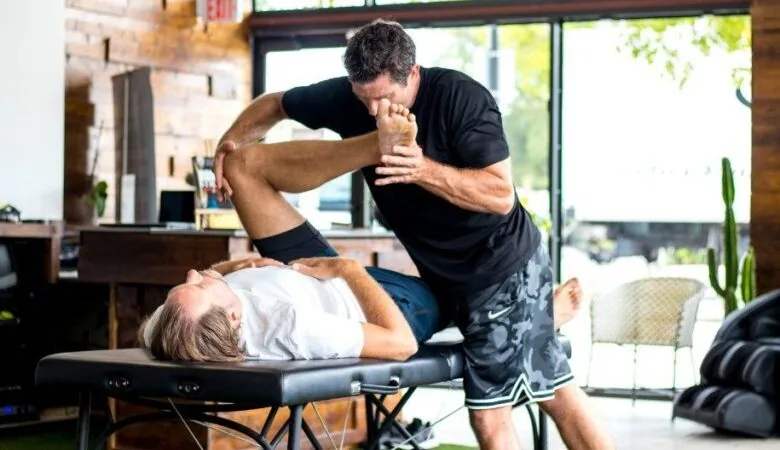
Stretch Therapy for Flexibility, Mobility and Pain Relief
By Matt PackDecember 18, 2025December 21, 2025Stretch therapy gives your body a chance to move the way it was designed to move. It helps you feel lighter, looser, and more in control of your daily movements. Many people feel stuck in tight muscles, stiff joints, and daily pain. When your body does not move well, everything feels harder. Stretch therapy can change that. It uses expert-guided stretching techniques to improve flexibility, mobility, posture, recovery, and overall comfort. Think of it as giving your body a fresh start.Let’s break it all down in simple words. What Is Stretch Therapy? Stretch therapy is a guided method of improving the way your muscles and joints move. A trained stretch therapist works with you, often using hands-on techniques, to safely increase your range of motion and reduce pain. It combines science, movement, and relaxation skills to help your body open up slowly and safely. Many people say it feels like a mix of physical therapy, massage, and yoga, but more targeted. How Stretch Therapy Works Stretch therapy works by gently lengthening tight muscles, releasing tension in connective tissues, and helping the nervous system relax. A therapist uses slow movements, holds, and guided breathing to activate your muscles and teach your body how to move with less restriction. The therapist may help you stretch by: This makes the stretch deeper and safer than stretching alone. The Science Behind Stretching Stretch therapy is not just a feel-good activity. There is real science behind it. Studies show that regular stretching can improve flexibility by up to 20 to 40 percent in just a few weeks. It also helps reduce muscle soreness after exercise and can help prevent future injuries. Key Components: Muscles, Tendons & Fascia Your body is full of tissues that must glide smoothly for easy movement. When any of these tissues become tight, dehydrated, or sticky, you feel stiff or sore. Stretch therapy works on all three layers, especially the fascia. When fascia opens up, the whole body feels lighter and freer. Short-Term vs. Long-Term Flexibility Improvements You get two types of benefits.Short-term changes happen right away. These include: Long-term changes happen with consistency. These include: Your body learns through repetition, so regular stretch therapy sessions help your flexibility stay with you for life. Who Can Benefit From Stretch Therapy? Almost anyone can benefit from stretch therapy. You do not need to be flexible or athletic. You only need a body that moves, even if it moves with difficulty. Many people come because they feel stuck in their own muscles. All Ages & Physical Capabilities Kids, adults, seniors, and people with different abilities can all use stretch therapy. The therapist adjusts the session based on what your body can handle. No one is too stiff or too inexperienced to start. Athletes & Active Individuals Athletes use stretch therapy to: Even a small increase in mobility can help an athlete run faster, jump higher, or lift more safely. People With Chronic Pain or Limited Mobility People dealing with: often find stretch therapy life changing. Slow, guided stretching helps calm irritated nerves and relax overly tight muscles that pull joints out of balance. Desk Workers & Sedentary Lifestyles Sitting for long hours tightens the entire front of the body. Desk workers often feel: Stretch therapy unwinds these areas and teaches the body how to sit, stand, and move with less strain. Individuals Recovering From Injury Stretch therapy helps restore movement after injuries by slowly improving flexibility around the affected area. It is gentle and controlled, which makes it safe for many recovery stages, though always guided by your therapist’s assessment. Benefits of Stretch Therapy Stretch therapy offers a long list of physical and mental benefits. Some people come to move better. Others come to feel better. Many come for both. Increased Flexibility & Range of Motion Your muscles become longer and softer. Your joints move more freely. You feel less tight and more open in daily tasks like bending, reaching, or walking. Pain Relief & Tension Reduction Stretch therapy helps release tension that builds up from stress, bad posture, or overuse. Many clients feel a large drop in pain within the first few sessions. Improved Posture & Alignment Tight muscles pull your joints into poor positions. Stretch therapy releases those tight spots so your spine and joints can sit in a more balanced position. Better posture also reduces long-term wear and tear. Better Balance, Agility & Movement Control When your muscles move freely, your body reacts faster and with better control. This helps with sports, daily activities, and even preventing falls as you age Enhanced Athletic Performance More mobility often means more power. When muscles stretch fully, they contract more efficiently. This leads to: Athletes, from runners to weightlifters, use stretch therapy for this reason Stress Relief & Relaxation Stretch therapy calms the nervous system. Slow breathing, gentle pressure, and controlled movement help release emotional stress that often hides inside your muscles. Many people describe sessions as peaceful and grounding. Stretch Therapy Techniques Therapists use a mix of techniques depending on your goals and your body’s condition. Each technique has a purpose and a different feel. Dynamic Stretch Therapy This uses slow, controlled movements to warm up the muscles and joints. It is great before workouts or for people who feel stiff when they start moving. Static Stretch Therapy Static stretching involves holding a stretch for several seconds or minutes. It lengthens muscles deeply and helps improve long-term flexibility. Ballistic Stretch Therapy This involves gentle bouncing or pulsing at the end of a stretch. It can increase flexibility quickly but must be done carefully to avoid injury. It is usually used for trained athletes, not beginners. PNF (Proprioceptive Neuromuscular Facilitation) PNF is a powerful stretching method used by many therapists. You contract the muscle for a few seconds, then relax as the therapist takes you deeper into the stretch. PNF improves flexibility faster than most methods. Low Load Long Duration (LLLD) Stretching This slow, gentle method uses light pressure over a longer
Read More blog-item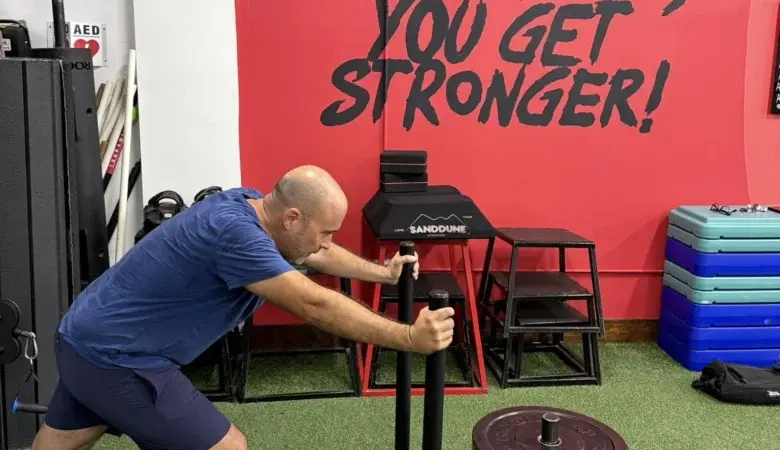
Why CEOs Choose Efficient Training at Primal Fit Miami
By Matt PackDecember 15, 2025December 16, 2025Time is the most valuable asset a CEO has. That is why high performers do not wander around the gym scrolling their phones or jumping between random workouts. They show up with intention, follow a plan, and leave knowing their time was used wisely. At Primal Fit Miami, this mindset defines how we train. We specialize in efficient group training and personal training in Miami Shores for CEOs, entrepreneurs, and busy professionals who want measurable results without wasted effort. Our programs are designed for people who expect structure, clarity, and progress, not distractions What Makes Training at Primal Fit Miami Different High performers expect every minute in the gym to matter. Our small group training in Miami Shores follows a clear structure that improves strength, mobility, conditioning, and recovery in a single session. Each workout has a purpose. Exercises are selected to move you forward consistently, not leave you exhausted without direction. This allows our members to train hard, recover properly, and stay productive in their professional and personal lives. Structured Programming Built for Progress CEOs value structure because it creates clarity. At Primal Fit Miami, training is never improvised. Programs are mapped out with progression, balance, and longevity in mind so results are sustainable over time. Our structured approach helps members from Miami Shores, El Portal, Biscayne Park, North Bay Village, Aventura, Edgewater, and surrounding South Florida areas see steady improvement without burnout. Progress is tracked, adjustments are made, and every session builds on the last. Expert Coaching That Saves Time and Prevents Setbacks Expert coaching eliminates guesswork. Our certified trainers focus on proper movement, efficient mechanics, and injury prevention so clients can train confidently and safely. This is especially important for professionals who cannot afford downtime. CEOs appreciate working with coaches who respect their time and deliver results through smart programming, not hype or entertainment. Straight Line Progress You Can Rely On High performers want progress they can measure. Our group training and personal training programs emphasize consistency, accountability, and realistic goal setting. There is no chasing trends or reinventing the wheel each week. This proven system is why Primal Fit Miami has earned over 360 five star reviews and continues to be trusted by professionals throughout Miami Shores and surrounding communities. Train Smarter at Primal Fit Miami If you are looking for efficient group training in Miami Shores or private personal training that respects your time and delivers real results, Primal Fit Miami offers a clear and proven path forward. Show up. Train with purpose. Leave stronger. Book your free consultation at Primal Fit Miami and start seeing measurable results. Call now to schedule a consultation! 1 (305) 951-6648 About Primal Fit Miami Primal Fit Miami is a locally owned gym in Miami Shores with more than 25 years of experience helping people train smarter, move better, and stay strong for the long term. With over 365 five star reviews, our coaching team is trusted by professionals, executives, and members of all fitness levels who value structure, expert guidance, and results that last. If you are looking for group training or personal training in Miami Shores and surrounding communities, Primal Fit Miami delivers proven programs built on real-world experience. For training tips, gym updates, and insights into the health and fitness industry, follow Primal Fit Miami on Instagram.
Read More blog-item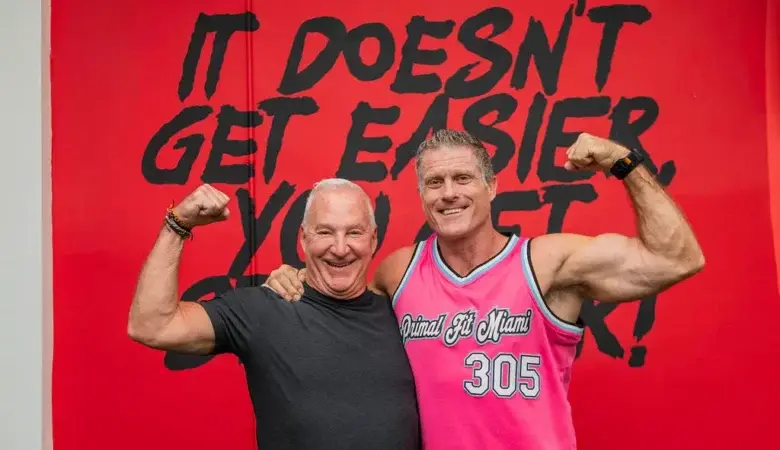
Why CEOs Gravitate Toward Primal Fit Miami
By Matt PackDecember 9, 2025December 9, 2025High achievers think differently. They work differently. They expect more from themselves and the environments they choose to invest time in. So it is no surprise that CEOs, entrepreneurs, and high performing professionals consistently choose Primal Fit Miami for their training. While many gyms focus on hype, noise, or generic workouts, Primal Fit Miami attracts a very different type of member. Leaders come to us because they want structure, clarity, efficiency, and measurable results. They do not want chaos. They do not want gimmicks. They do not want coaches who wing it or programs that feel copied and pasted. They expect professionalism and outcomes, and that is exactly what we deliver. Primal Fit Miami is known across Miami Shores, El Portal, Biscayne Park, North Bay Village, Aventura, Wynwood, and Edgewater for providing small group training and private personal training that is tailored, science based, and results driven. This is why high performers trust us. 1. Their Standards Are Higher CEOs and leaders operate at a different level. They do not tolerate the usual gym frustrations like:• chaotic class environments• gimmicky programming• cookie-cutter workouts• instructors who guess instead of assess• disorganization or lack of structure They expect precision. They expect a plan. They expect a coach who understands how to maximize progress while minimizing wasted effort and preventing injury. At Primal Fit Miami, our programs are intentionally designed for clarity and direction. Members know exactly why they are doing an exercise, how it contributes to their strength and longevity, and how it fits into a long-term strategy. This mirrors the way high performers think about their careers and businesses. 2. They Value Efficiency Over Entertainment A CEO is not walking into the gym looking to be entertained. They want a focused, purposeful training session that delivers results without unnecessary distraction. Our small group training in Miami Shores allows clients to train with a coach who knows their goals, understands their limitations, and monitors their progress closely. Every session is structured to improve mobility, strength, conditioning, and long-term health. Nothing is random. Nothing is wasted. This level of efficiency is a major reason high performers choose our environment instead of overcrowded franchise gyms. 3. They Want Coaches Who Understand Performance At Primal Fit Miami, every coach is trained to guide clients toward better movement, stronger mechanics, and safer training. CEOs appreciate working with professionals who take their health seriously and who can provide clear instruction and accountability. Our team specializes in:• functional strength training• injury prevention• mobility and recovery• sustainable performance protocols• goal driven program design High performers want confidence in their coaching, and our track record of more than 360 five star reviews shows that our system works. 4. They Want a Calm, Controlled, Private Training Environment Leaders deal with enough noise throughout the day. They are not interested in walking into a chaotic, loud, overcrowded gym. Primal Fit Miami is intentionally laid out to reduce distractions and increase focus. Our small group setting provides the perfect balance of community and personal attention. It is productive, disciplined, and supportive without feeling overwhelming. This is why executives often describe our space as the one part of their day where they can fully reset and recharge. 5. They Understand That Health Is Their Greatest Investment A high performer knows that their clarity, energy, and physical strength directly influence their success. They cannot afford long stretches of fatigue, injury, or lack of mobility. They view training as a strategic investment in longevity and performance. At Primal Fit Miami, we help protect and elevate that investment with structured programming, measurable progress tracking, mobility work, and accountability. The goal is long-term success, not short-term hype. Why Primal Fit Miami Continues to Attract Leaders The reason CEOs choose us is simple.We meet the standards that high performers expect. • A focused training environment• Expert coaching• Structured methods• Proven systems• Real results If you want group training in Miami Shores that prioritizes long-term strength, mobility, and performance, Primal Fit Miami is the trusted choice for professionals who take their health seriously.
Read More blog-item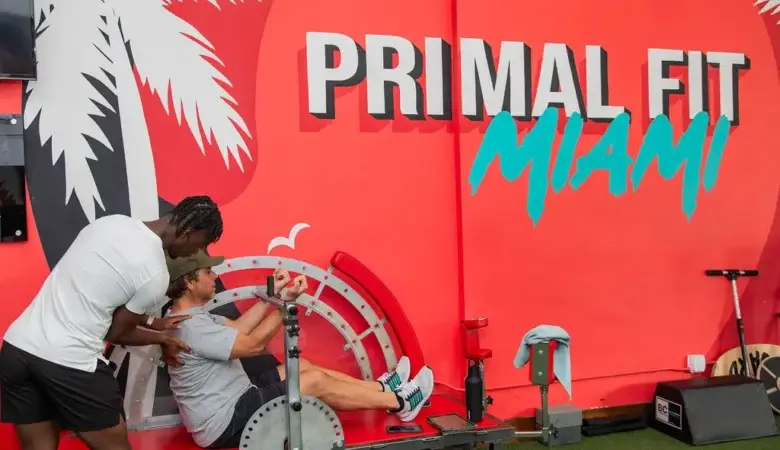
Why CEOs Train With Us - and Why You Probably Shouldn’t
By Matt PackDecember 3, 2025December 3, 2025At Primal Fit Miami, we don’t train for entertainment. We train for results. Every gym says they offer something different. But walk into most fitness centers in Miami, and you’ll find the same cycle: packed classes, loud music, and surface-level workouts designed to “burn calories” and “get a good sweat.” That’s fine if you’re prepping for a beach trip or need to check a box for your Apple Watch. But if you’re a high-performing executive, entrepreneur, or leader with real responsibilities riding on your health, that kind of training won’t cut it. And that’s why CEOs train with us at Primal Fit Miami. Not for Everyone. By Design. Let’s be clear. We’re not a bootcamp.We’re not a CrossFit box.And we’re not here to count reps and cheer you on while you flail through random circuits. We work with people who value their time, their body, and their long-term performance. The people who train here aren’t chasing six-packs. They’re chasing clarity, resilience, confidence, and longevity. And that starts with training that actually works. What CEOs Look for in a Gym (That Most Gyms Don’t Deliver) Most people enter the gym with vague goals:“Lose 10 pounds.”“Tone up.”“Get ready for vacation.” High performers think differently. For them, fitness isn’t a vanity project. It’s protection of their #1 asset - themselves. Here’s what sets our CEO clients apart: ✅ They measure return on investment (ROI), not calories burned✅ They prioritize structure, not novelty✅ They value coaching and accountability over entertainment✅ They understand that consistent progress beats temporary hype✅ They know that their energy and health impact everything else - business, relationships, and decision-making Why Primal Fit Miami Attracts High Performers We’ve built a private training environment that aligns with the lifestyle of high-level professionals. Here’s what makes us different: 🔹 Private, Small Group Training - Without the Chaos No crowded rooms. No loud chaos. Just personalized coaching in a focused setting where every rep has a reason. 🔹 Functional Strength Programming Our programs are grounded in science and real-world movement. You’ll train to move better, feel stronger, and stay injury-free - whether you’re in the boardroom or on the golf course. 🔹 Recovery and Mobility Work You don’t get results if you’re sidelined by injury. CEOs know the cost of downtime. Our sessions include mobility, stretching, and smart recovery protocols that keep you going. 🔹 Consistency and Accountability We track your progress, coach with intention, and make sure your goals stay aligned with your life. Every session is part of a bigger plan. Why This Isn’t for Everyone (And That’s OK) If you’re looking for a quick fix, a 30-day shred, or a place to snap mirror selfies… we’re not it. We don’t do trendy fads.We don’t sell hype.And we don’t waste your time.We train people who want to show up better in every area of life - physically, mentally, and professionally. Your Health Is Your Leverage The CEOs and high performers who train with us know one thing for certain:If your energy crashes, your business slows.If your health declines, everything else follows.If you’re not sharp, focused, and mobile - you’re leaving results on the table. That’s why they don’t wait for motivation.They build discipline.And they treat fitness like the investment it truly is. If You’re Ready to Train Like a High Performer… We’re ready for you. Whether you’re a business owner, executive, or someone who’s simply ready to stop dabbling and start committing, Primal Fit Miami is here to help you get serious. You’ll get: But fair warning - we won’t entertain you.We’ll challenge you.We’ll coach you.And we’ll help you move, feel, and lead better than ever. 📍 Located in Miami Shores, serving El Portal, Biscayne Park, and surrounding areas💪 Semi-private training that feels personal, not crowded📞 Ready to make the switch? Book a Free Consultation or call now! (305) 951-6648
Read More blog-item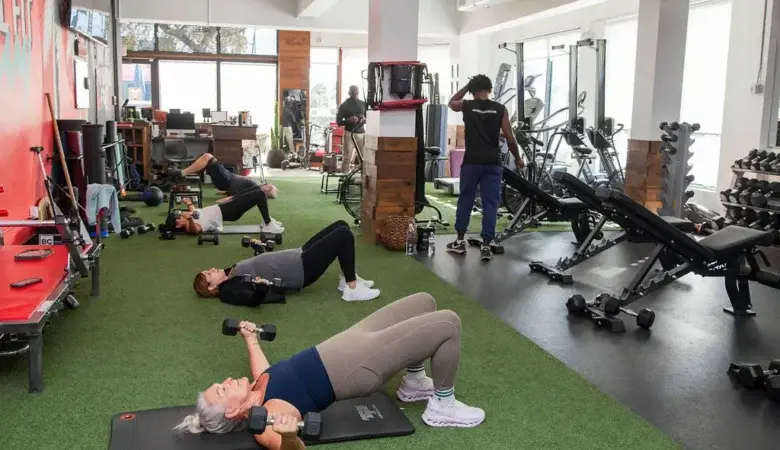
Finish the Year Strong: Why Waiting Until January Hurts Your Progress and How to Start Today
By Matt PackNovember 26, 2025November 26, 2025Every year, as the holidays approach, millions of people say the same four words: “I’ll start next year.” It sounds harmless. It feels responsible. It even gives you a sense of planning and intention. But in reality, waiting until January is one of the biggest setbacks you can create for your health and fitness goals. If you are reading this, there is a good chance you want to feel stronger, healthier, and more confident. Maybe you want more energy throughout the day. Maybe you want to lose weight or tone your body. Or maybe you simply want to get back to feeling like yourself again. Here is the truth that most people never hear. You do not need to wait for the new year. You do not need a calendar to give you permission. You can begin today, and it will make every future goal easier. At Primal Fit Miami, we help people break out of the “someday” mindset and step into real progress. You do not have to overhaul your life in one week. You only need a plan, a supportive community, and a structured strength training program that helps you move forward at your own pace. That is exactly what we provide here in our Miami strength training classes and small group training sessions. Let’s break down why starting now matters and how you can finish this year feeling stronger than ever. Why Waiting for January Holds You Back Waiting until January sounds logical, but it creates several problems that most people never think about. 1. You lose your momentum before you even begin Your motivation is strongest right now. When you plan to start “later,” you never build the habits or systems you need. Motivation fades quickly without action. 2. You start the new year at zero instead of with progress People believe starting in January gives them a clean slate. But what actually happens is this. They begin behind. Behind on strength, behind on energy, behind on routine. A December start gives you a huge head start. 3. The holiday season becomes an excuse, not a challenge Most people gain weight or lose energy during the holidays because they lack structure. Starting now gives you stability through a season that often derails people. Your workouts become an anchor, not a burden. 4. January is crowded and overwhelming Gyms are packed. Schedules are full. Most people get discouraged and quit by February. When you begin now, you enter the new year with confidence, strength, and a plan that already fits your life. If you want to make 2026 the year you feel your best, the smartest thing you can do is to start before the rush. Why Starting Before the New Year Gives You a Massive Advantage There are real, measurable benefits to starting your fitness routine at the end of the year. You build momentum early Every rep, every session, every small win compounds. You enter January already moving, not struggling to get started. You actually enjoy your holidays more Most people feel tired, bloated, or sluggish during the holidays. Regular strength training boosts your energy, improves sleep, and helps regulate stress. You reduce the chances of “falling off” in January People who train through December stay consistent long term. It becomes part of their life, not a short term resolution. You start feeling results sooner Strength training improves your mood right away. You notice better posture, more stability, and more energy within the first few weeks. Why delay that? This is why our Miami personal training sessions and functional strength workout programs help people get ahead instead of starting over. The Best End of Year Workouts for Real, Lasting Results If your goal is to build strength, lose fat, and improve your quality of life, the most effective path is clear. Strength Training This is the foundation. It increases muscle, raises your metabolism, protects your joints, and helps you feel better in your everyday life. Functional Training These are exercises that help you move better and reduce injury risk. You build real world strength, not just gym strength. Small Group Training You get personal coaching, accountability, and motivation without crowded class chaos. At Primal Fit Miami, our small group strength training is capped so coaches can focus on you. Mobility and Recovery Holiday stress builds tension. Mobility practice helps you stay loose, flexible, and ready to train safely. Put together, these elements deliver faster, safer, and more sustainable results than any quick fix or resolution plan. How Primal Fit Miami Helps You Finish the Year Strong We are not a crowded bootcamp or a loud, intimidating gym. We are a private strength training studio built for people who care about their health, their results, and their long term wellbeing. When you join us, you get: • Small group strength training with hands-on coaching• A supportive community that helps you stay consistent• Programs designed for your current fitness level• Coaches who care about your progress• No long term contracts• A clean, private environment for high quality training Whether you want to lose weight, build strength, gain confidence, or simply feel better each day, you will always have someone guiding you and supporting your goals. A Simple 30 Day Momentum Plan to Start Today Here is a plan anyone can follow to begin the end of year strong. Week 1–2 • Two strength training sessions per week• Focus on form, breathing, and getting comfortable• Drink more water• Get 7 to 8 hours of sleep Week 3–4 • Three strength sessions per week• Add daily walking• Increase protein intake• Celebrate small wins and track progress By the time January arrives, you will already feel stronger, more focused, and more in control. Frequently Asked Questions Should I start working out before the new year or wait for January? Starting now gives you a stronger routine, better energy, and a big head start. Waiting often leads to stalled progress. What is the best end of year workout for fast
Read More blog-item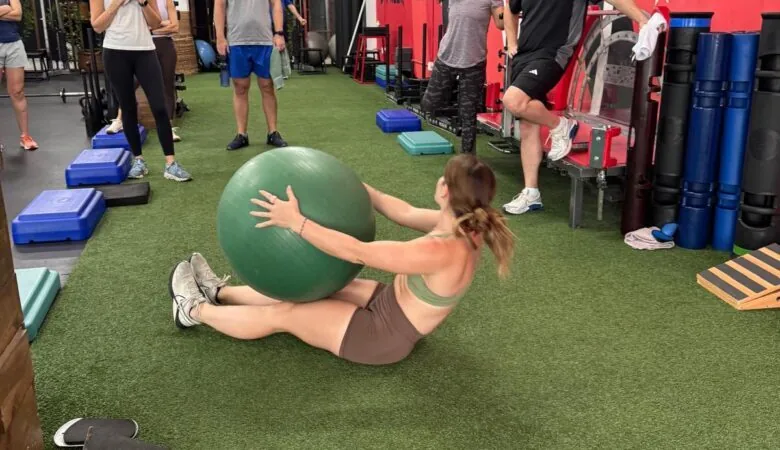
Why Small Group Training Might Be the Missing Piece in Your Fitness Journey
By Matt PackOctober 17, 2025October 17, 2025Understanding the Concept of Small Group Training Small group training has emerged as a dynamic and innovative approach in the fitness world, bridging the gap between individualized attention and the motivational energy of group classes. Unlike traditional one-on-one personal training, small group training typically involves two to eight participants working together under the guidance of a certified trainer. This format creates a unique environment where personalized coaching meets the camaraderie of a community, making workouts both effective and enjoyable. At its core, small group training is structured to maximize results by leveraging the benefits of social interaction and accountability. Participants receive tailored instruction, with trainers able to modify exercises based on individual needs and fitness levels. This ensures that everyone is challenged appropriately, while also minimizing the risk of injury. The smaller group size allows trainers to closely monitor form and technique, offering corrective feedback and encouragement throughout each session. Key Features of Small Group Training Personalization: Trainers can adapt workouts to suit individual goals and abilities, ensuring every participant progresses at their own pace. Motivation: The group dynamic fosters a sense of belonging and friendly competition, inspiring members to push beyond their perceived limits. Affordability: Sharing the cost among several participants makes quality training accessible to more people. By merging individualized attention with a supportive group atmosphere, small group training delivers a powerful, results-driven fitness experience that might be exactly what your journey has been missing. Comparing Small Group Training with Personal and Large Fitness Classes When exploring the landscape of fitness options, it’s easy to feel overwhelmed by the choices. Traditional one-on-one personal training offers a highly individualized approach, with programs tailored to your unique strengths, weaknesses, and goals. The trainer’s undivided attention ensures precise form correction and ongoing motivation. However, personal training can be cost-prohibitive for many, and the solitary nature might leave some yearning for camaraderie or shared encouragement. On the other end of the spectrum, large fitness classes create a vibrant, high-energy atmosphere where dozens of participants move in sync. These classes foster a sense of community and offer an accessible, cost-effective way to get moving. Yet, the instructor’s attention is necessarily divided, making it challenging to address individual needs or adapt exercises for varying fitness levels. For beginners or those with specific goals, this lack of personalization can be a significant drawback. Small group training strikes a balance between these two extremes. Typically consisting of four to eight participants, this format delivers the personalized feedback often missing from larger classes, while still cultivating social motivation and accountability. In a small group, trainers can observe and correct form, adjust workouts on the fly, and provide encouragement tailored to each member’s progress. The group dynamic fosters friendly competition and collective achievement, making every session both effective and enjoyable. For many, small group training becomes the missing link-a sweet spot that blends affordability, attention, and community for lasting fitness success. Individualized Attention and Expert Coaching in Semi-Private Training In the world of fitness, the pursuit of personal goals often hinges on receiving the right level of guidance and support. Semi-private training strikes a delicate balance between individualized attention and the motivation that comes from working alongside others. Unlike crowded group classes, where the instructor’s focus is spread thin, semi-private sessions typically involve small groups of three to six participants. This allows trainers to observe each person’s form, technique, and progress in detail, ensuring that every movement is executed safely and effectively. With a smaller client-to-coach ratio, expert trainers can tailor workouts to your unique needs, whether you’re a beginner building foundational strength or an experienced athlete seeking to break through plateaus. Coaches take the time to understand your goals, limitations, and areas for improvement, providing personalized feedback that accelerates progress. This level of support is invaluable for refining technique, preventing injuries, and maintaining motivation. Benefits of Semi-Private Training Customized programming: Workouts are adapted to suit individual strengths, weaknesses, and objectives. Real-time corrections: Coaches can immediately address improper form, minimizing risk and maximizing results. Continuous encouragement: Trainers foster accountability and celebrate personal milestones, keeping you engaged throughout your fitness journey. Ultimately, the expert coaching and individualized attention found in semi-private training create a supportive environment where real transformation becomes not just possible, but probable, setting the stage for the next steps in your fitness evolution. Community Support and Motivation through Group Personal Training Embarking on a fitness journey often feels daunting, especially when motivation wanes or progress stalls. Small group training introduces a transformative element: the power of community. Unlike traditional solo workouts, group personal training places you in an energetic environment where camaraderie and shared goals ignite motivation. The collective spirit becomes a driving force, pushing each participant to exceed personal limits and celebrate milestones together. The Power of a Supportive Network In small group training, participants quickly recognize the value of mutual encouragement. Every session is filled with positive reinforcement-cheers for a completed set, high-fives after a challenging circuit, and genuine support during moments of struggle. This dynamic fosters a sense of belonging, making it easier to show up consistently, even on difficult days. The group’s shared commitment helps transform fitness from a solitary task into a collective pursuit, making every achievement feel more rewarding. Accountability and Motivation When you become part of a small training group, accountability naturally increases. Knowing that others are counting on your presence provides extra incentive to stick to your routine. Instructors harness this supportive atmosphere to keep everyone engaged, adapting workouts to both individual and group progress. This collaborative setting not only motivates you to push harder but also helps you overcome plateaus by drawing inspiration from peers facing similar challenges. Ultimately, the community-driven approach of group personal training supplies the encouragement and motivation essential for lasting fitness success, creating an environment where every effort counts and every member thrives. Cost-Effectiveness and Accessibility of Strength Training Classes in Miami For many Miami residents, finding a balance between quality fitness coaching and affordability can be a challenge. Yet, small group
Read More blog-item
The Diet Spectrum- Pick either Fat or Carbs but you Can’t Have Both!
By Matt PackSeptember 7, 2022August 5, 2025Eating like an “Adult” can be tough especially if you grew up learning habits that were past down generation to generation eating a certain way that wasn’t necessarily conducive for health.Let’s talk about me for a minute… Do you think I’ve been lean, healthy and making good eating decisions my entire life? No way! I grew up on Cocoa Pebbles, Chicken Pot Pies, Hungry Man Dinners, McDonald’s, Burger King, Domino’s Pizza, Dr Peppers and Cool Ranch Flavor Doritos. My Dad did his best raising two boys but he honestly didn’t know any better back then. How do you think this type of diet affected me? I had learning disabilities throughout school and was eventually diagnosed with A.D.H.D my junior year of high school. I also had horrible acne and after trying many different treatments was prescribed a very strong medication with many side effects called Accutane. I was also over-weight, soft, and insecure with my body despite playing basketball and football throughout my childhood, high school, and college. Think for minute how my lifestyle and my way of eating may have contributed to all of my health problems? How might your eating habits be affecting your own health? How about your kids health? Breaking the Cycle Luckily, when I was in my early 20’s I met Damon Lee and Steve Camara who both became my workout partners. From that day forward I fell in love with weight training, nutrition and all things health related so much so that I went to school for Exercise Science and 25 years later I’m here teaching YOU the habits that changed my life. The bottom line is that the cycle of bad habits I learned needed to be broken in order to be where I am today and more importantly, to positively affect my own daughter’s health. The eating habits that you currently possess will either positively or negatively affect your loved ones. Which will it be? You CAN break the cycle and teach your own kids new habits and skills to shop, cook and prepare meals that they in turn will teach their own kids one day. You as the parents have the power to not only improve the health and prevent disease of yourself and your children but that of your future grandkids and beyond. It’s now time to learn how to eat like an “adult”, lead by example and break the cycle once and for all now. Do it for you, for your kids and for future generations to come. Who’s got your back? 🙋♂️
Read More blog-item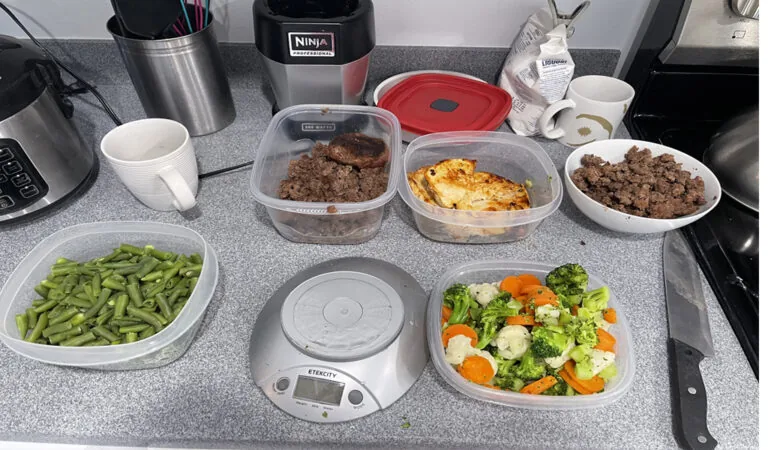
Meal Prep is part of your workout…
By Matt PackSeptember 1, 2022October 8, 2025Meal Prep is part of your workout… Saturday morning meal prep. It doesn’t matter when it happens, just make sure it happens.Remember, nothing ruins a diet faster then not having food available or being hungry all the time. Want the results? Then do the work!💪
Read More blog-item
The recipe to Consistent Weight Loss revealed!
By Matt PackSeptember 1, 2022October 8, 2025The recipe to Consistent Weight Loss revealed! As you all should know by now one of the biggest keys to seeing weight loss progress is to eat just as good as you did Monday-Thursday on Friday, Saturday and Sunday.You must create a streak of compliant days to give you time to actually see some positive changes. If you continue to ”reward” yourself for your hard work and nutrition compliance Mon-Thurs only to go “off the rails” on Friday, Saturday and Sunday you’ll quickly lose motivation to get back on track on Monday which only leads to more weight gain and frustration. I promise if you can just make it through even ONE full week of “at home eating” and daily walking it will jumpstart you into week two making even better decisions then the last as you’ll build massive confidence. Now with TWO Weeks under your belt and feeling and seeing some noticeable changes I can promise you’ll move into that weekend being more mindful of food choices and increasing activity even further. I’m sure you can see where I’m going with this. Can you imagine what you could accomplish with just a 4 week streak of compliancy? This is why I’m so big on that 30 day challenge. Amazing changes can be attained in only 30 days but most people screw up the weekends two weeks in and never are able to create any momentum. Here are some pics from my own meals today to add to my own streak. I highly suggest that you yourself take pics of your meals and post them here to hold you accountable and to help motivate the other Primal Fit Pack Members. Morning Meal Prep pic Breakfast- Oatmeal and Egg White Bowl Lunch/post workout- Bison, Rock Shrimp, Green Beans and Bagel with Cream Cheese Dinner- Salmon, Rice and mixed veggies Sunday will be similar to today and Monday it starts all over again! Hopefully you can see how this could quickly steam roll into some serious results right? Now it’s time for YOU to go meal prep and create your streak. #createyourstreak
Read More blog-item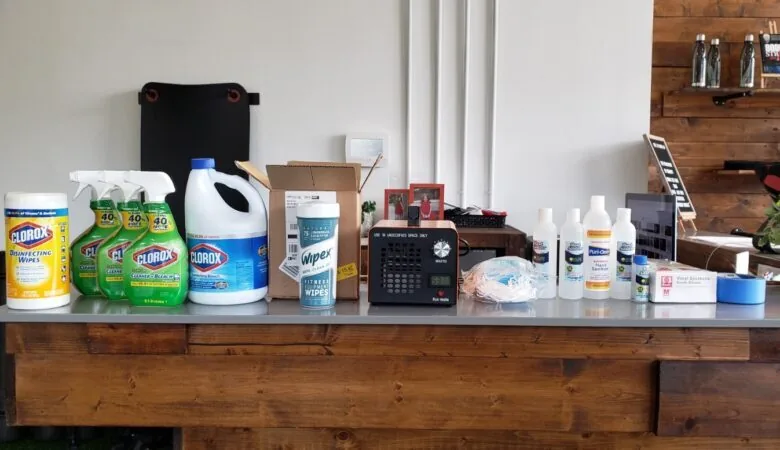
Primal Fit Miami Re-Opens to Keep You Healthy – Inside and Out
By Matt PackMay 19, 2020November 14, 2025Primal Fit Miami Re-Opens to Keep You Healthy – Inside and Out It’s official. As of today, Monday, May 18th, Florida Governor DeSantis says gyms can operate at a 50% capacity, bringing the efforts to re-open our economy into full swing. So – in other words – Primal Fit Miami is open and ready for business. Overall physical health – especially during the COVID-19 scare – is essential, and you should be doing everything you can to maximize all aspects of your biological well-being. Regardless of what’s going on in the external world, the body is what processes all that’s happening and protects us from threats like illness-causing viruses/bacteria. Weight training, cardiovascular exercise, healthy dieting, thorough warm-up/downs, and more all increase the body’s ability to keep sickness at bay while giving you the physique of your dream. There’s no better way to optimize your immune system during times like these than to hit the gym and Primal Fit Miami is the perfect place to do so while practicing social distancing. Our Personal Training classes offer Private Session for those seeking the attention of one-on-one workouts while our Small Group Training provides individual workout stations all at least six feet apart and disinfected after every single session to ensure everyone’s safety. With a maximum of 10 people per class, O2 ventilation, masks, gloves, and more onsite. Can’t make a live workout? No problem! Even if you still don’t feel comfortable going into the world yet, you should not let that keep you from being at your physical peak. Primal Fit Miami’s Online Coaching gets your heart pumping when outside of the gym, keeping your body stimulated. Also offering our Unlimited Online Zoom Workouts special, non-members can join us from the comfort of home Monday-Saturday during morning or evening – whatever fits their schedule best. Call Primal Fit Miami now and let’s schedule your next workout today. Also, don’t forget to follow us on Instagram and Twitter – or feel free to leave us a comment on Facebook, we love hearing from you! 8200 NE 2nd Ave Miami, FL 33138 (305) 951-6648 Contact
Read MoreTrain with Miami's most trusted gym
Book a free consultation - we'll build the right plan for you.