
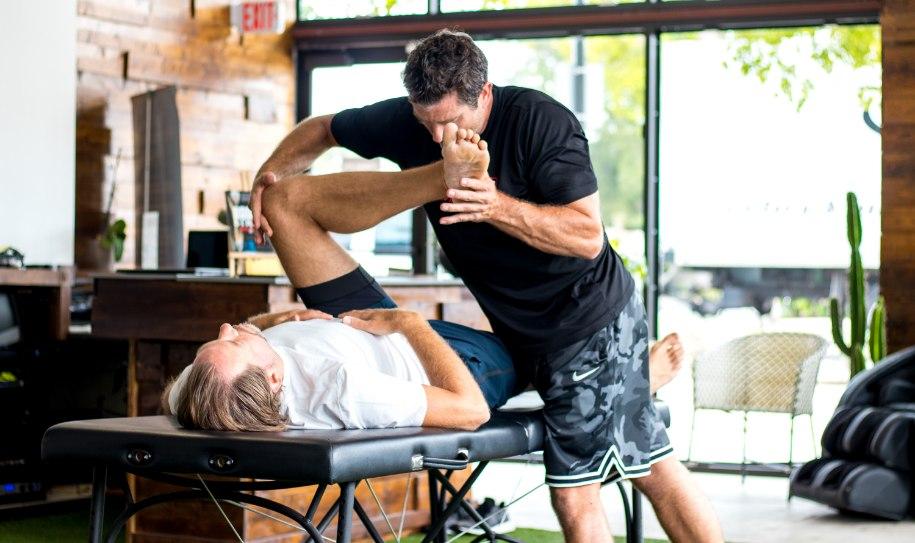
Stretch Therapy for Flexibility, Mobility and Pain Relief
Stretch therapy gives your body a chance to move the way it was designed to move. It helps you feel lighter, looser, and more in control of your daily movements. Many people feel stuck in tight muscles, stiff joints, and daily pain. When your body does not move well, everything feels harder. Stretch therapy can change that.
It uses expert-guided stretching techniques to improve flexibility, mobility, posture, recovery, and overall comfort. Think of it as giving your body a fresh start.
Let’s break it all down in simple words.
What Is Stretch Therapy?
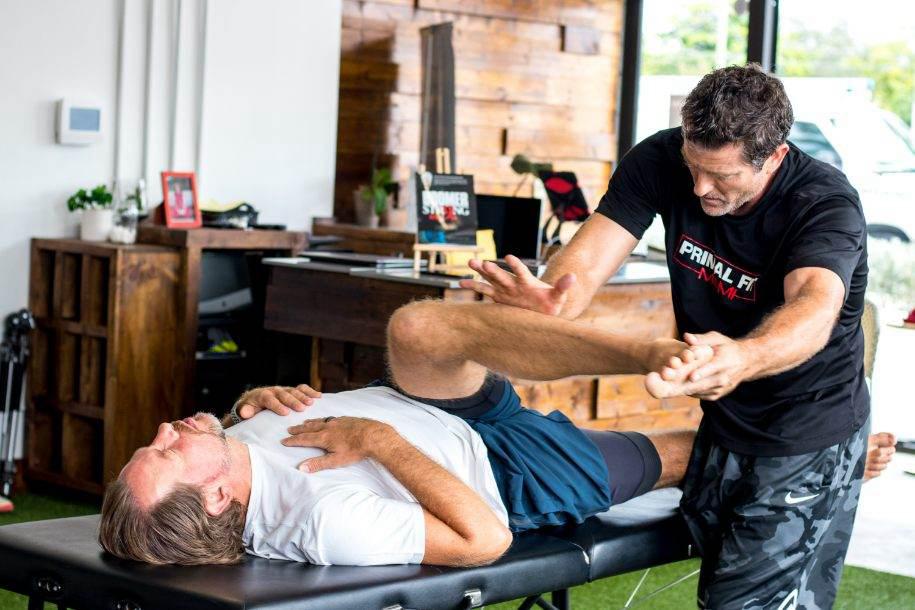
Stretch therapy is a guided method of improving the way your muscles and joints move. A trained stretch therapist works with you, often using hands-on techniques, to safely increase your range of motion and reduce pain.
It combines science, movement, and relaxation skills to help your body open up slowly and safely. Many people say it feels like a mix of physical therapy, massage, and yoga, but more targeted.
How Stretch Therapy Works
Stretch therapy works by gently lengthening tight muscles, releasing tension in connective tissues, and helping the nervous system relax. A therapist uses slow movements, holds, and guided breathing to activate your muscles and teach your body how to move with less restriction.
The therapist may help you stretch by:
- Supporting your limbs
- Guiding your joints through safe angles
- Applying light pressure
- Coaching you to breathe and relax
This makes the stretch deeper and safer than stretching alone.
The Science Behind Stretching
Stretch therapy is not just a feel-good activity. There is real science behind it.
- Stretching improves blood flow to the muscles.
- It increases synovial fluid in the joints, which reduces stiffness.
- It lowers muscle tone by calming the nervous system.
- It helps the body reset tight movement patterns.
Studies show that regular stretching can improve flexibility by up to 20 to 40 percent in just a few weeks. It also helps reduce muscle soreness after exercise and can help prevent future injuries.
Key Components: Muscles, Tendons & Fascia
Your body is full of tissues that must glide smoothly for easy movement.
- Muscles create force.
- Tendons connect muscles to bones.
- Fascia is a thin web-like tissue that wraps around everything.
When any of these tissues become tight, dehydrated, or sticky, you feel stiff or sore. Stretch therapy works on all three layers, especially the fascia. When fascia opens up, the whole body feels lighter and freer.
Short-Term vs. Long-Term Flexibility Improvements
You get two types of benefits.
Short-term changes happen right away. These include:
- Less stiffness
- More relaxed muscles
- A feeling of lightness in the body
Long-term changes happen with consistency. These include:
- Increased muscle length
- Better posture
- Stronger movement patterns
- Reduced pain over time
Your body learns through repetition, so regular stretch therapy sessions help your flexibility stay with you for life.
Who Can Benefit From Stretch Therapy?
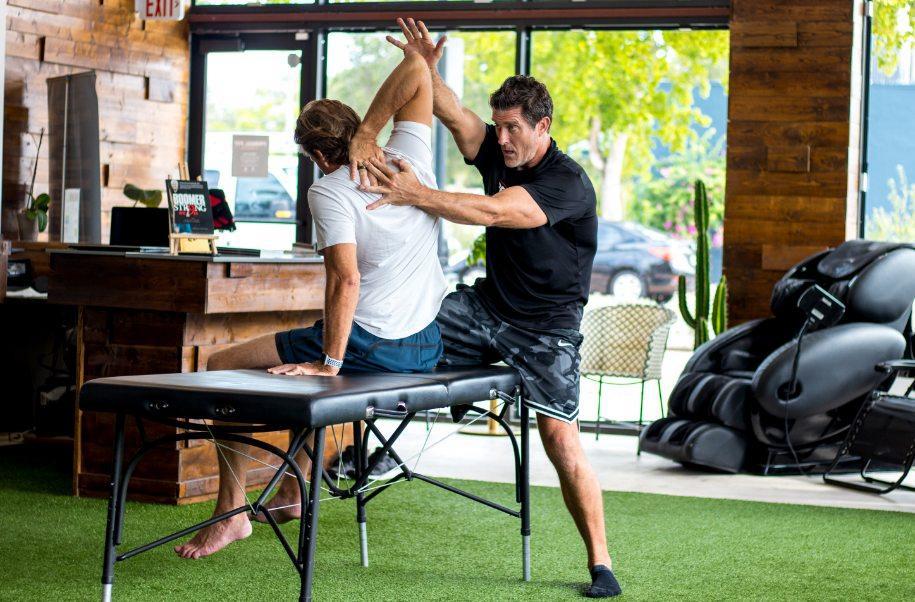
Almost anyone can benefit from stretch therapy. You do not need to be flexible or athletic. You only need a body that moves, even if it moves with difficulty. Many people come because they feel stuck in their own muscles.
All Ages & Physical Capabilities
Kids, adults, seniors, and people with different abilities can all use stretch therapy. The therapist adjusts the session based on what your body can handle. No one is too stiff or too inexperienced to start.
Athletes & Active Individuals
Athletes use stretch therapy to:
- Improve performance
- Reduce muscle tightness
- Recover faster from training
- Lower the risk of injuries
Even a small increase in mobility can help an athlete run faster, jump higher, or lift more safely.
People With Chronic Pain or Limited Mobility
People dealing with:
- Lower back pain
- Neck stiffness
- Hip tightness
- Sciatica
- Shoulder issues
often find stretch therapy life changing. Slow, guided stretching helps calm irritated nerves and relax overly tight muscles that pull joints out of balance.
Desk Workers & Sedentary Lifestyles
Sitting for long hours tightens the entire front of the body. Desk workers often feel:
- Round shoulders
- Tight hip flexors
- Stiff lower backs
- Neck and shoulder pain
Stretch therapy unwinds these areas and teaches the body how to sit, stand, and move with less strain.
Individuals Recovering From Injury
Stretch therapy helps restore movement after injuries by slowly improving flexibility around the affected area. It is gentle and controlled, which makes it safe for many recovery stages, though always guided by your therapist’s assessment.
Benefits of Stretch Therapy
Stretch therapy offers a long list of physical and mental benefits. Some people come to move better. Others come to feel better. Many come for both.
Increased Flexibility & Range of Motion
Your muscles become longer and softer. Your joints move more freely. You feel less tight and more open in daily tasks like bending, reaching, or walking.
Pain Relief & Tension Reduction
Stretch therapy helps release tension that builds up from stress, bad posture, or overuse. Many clients feel a large drop in pain within the first few sessions.
Improved Posture & Alignment
Tight muscles pull your joints into poor positions. Stretch therapy releases those tight spots so your spine and joints can sit in a more balanced position. Better posture also reduces long-term wear and tear.
Better Balance, Agility & Movement Control
When your muscles move freely, your body reacts faster and with better control. This helps with sports, daily activities, and even preventing falls as you age
Enhanced Athletic Performance
More mobility often means more power. When muscles stretch fully, they contract more efficiently. This leads to:
- Stronger lifts
- Faster sprints
- Higher jumps
- Better endurance
Athletes, from runners to weightlifters, use stretch therapy for this reason
Stress Relief & Relaxation
Stretch therapy calms the nervous system. Slow breathing, gentle pressure, and controlled movement help release emotional stress that often hides inside your muscles. Many people describe sessions as peaceful and grounding.
Stretch Therapy Techniques
Therapists use a mix of techniques depending on your goals and your body’s condition. Each technique has a purpose and a different feel.
Dynamic Stretch Therapy
This uses slow, controlled movements to warm up the muscles and joints. It is great before workouts or for people who feel stiff when they start moving.
Static Stretch Therapy
Static stretching involves holding a stretch for several seconds or minutes. It lengthens muscles deeply and helps improve long-term flexibility.
Ballistic Stretch Therapy
This involves gentle bouncing or pulsing at the end of a stretch. It can increase flexibility quickly but must be done carefully to avoid injury. It is usually used for trained athletes, not beginners.
PNF (Proprioceptive Neuromuscular Facilitation)
PNF is a powerful stretching method used by many therapists. You contract the muscle for a few seconds, then relax as the therapist takes you deeper into the stretch. PNF improves flexibility faster than most methods.
Low Load Long Duration (LLLD) Stretching
This slow, gentle method uses light pressure over a longer time. It is perfect for improving joint stiffness or increasing flexibility in areas that resist stretching.
Partner-Assisted Stretching
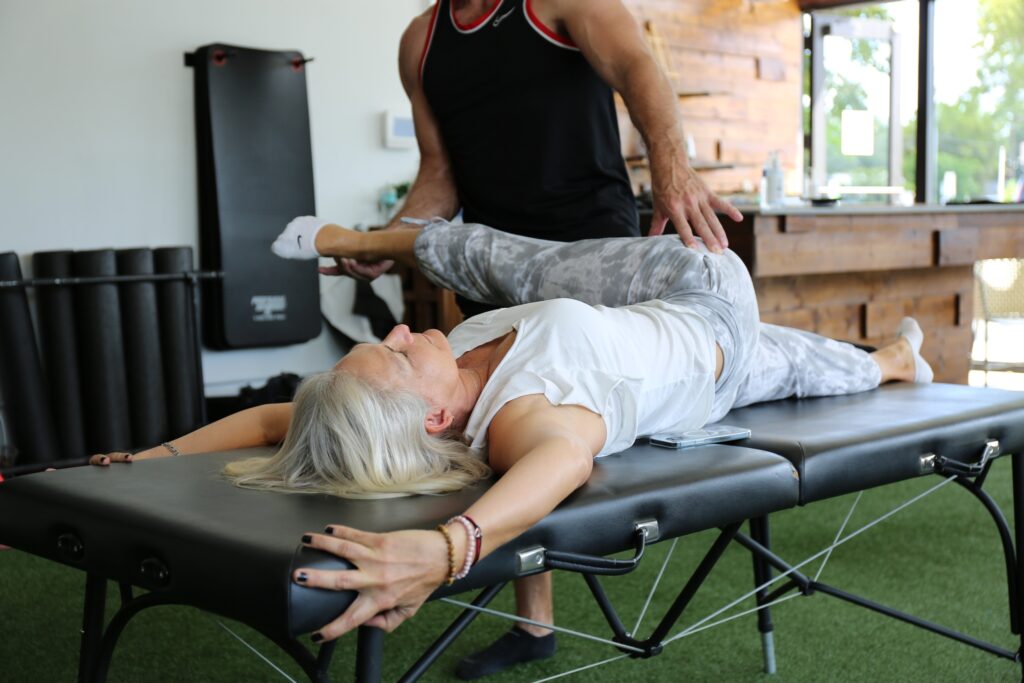
A therapist helps you reach positions you cannot do alone. They guide your limbs, stabilize your joints, and make sure each stretch is safe and effective.
Massage, Foam Rolling & Myofascial Release
These techniques target fascia and tight muscle knots. They help break up tension that stretching alone cannot reach
How to Perform Self-Myofascial Release
You can use tools like foam rollers, massage balls, or sticks. Slowly roll the tight area for 30 to 60 seconds. Stay on tender spots and breathe. Do not rush. The goal is to let the muscle melt, not force it.
How to Perform Passive Stretching Safely
Passive stretching means relaxing while another force holds the stretch. Use slow movements, never bounce, and stop before pain. Breathe deeply to help your muscles relax into the stretch.
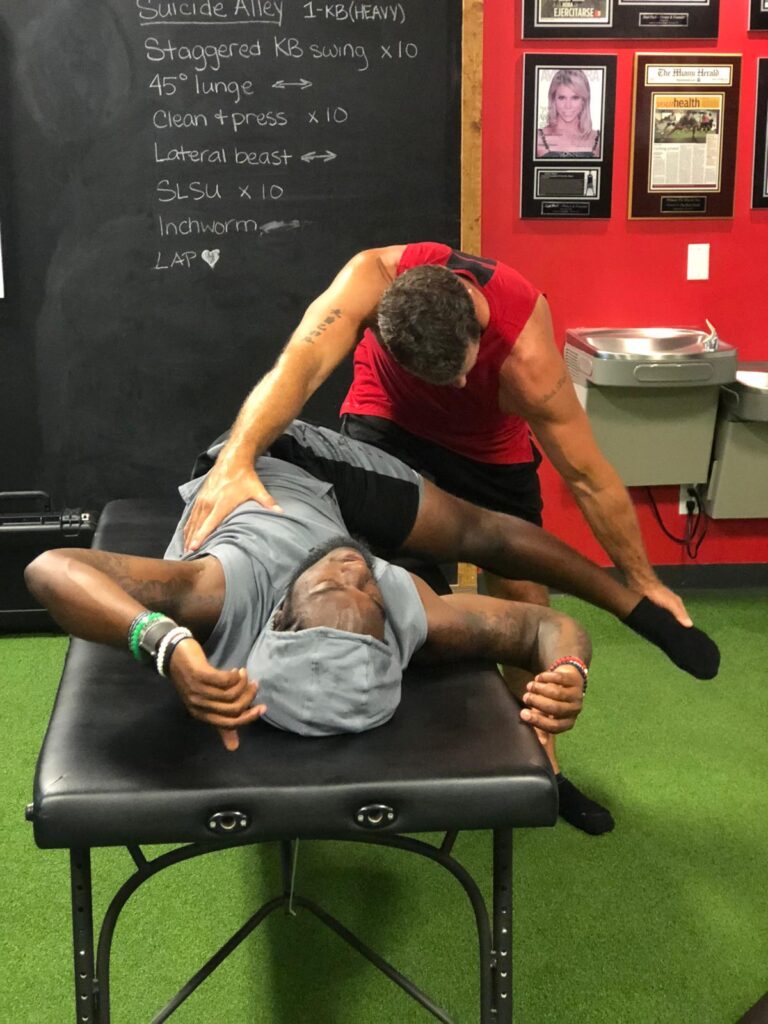
What to Expect in a Professional Stretch Therapy Session
Many people feel unsure about what happens during a stretch therapy session. The truth is, the process is simple, comfortable, and surprisingly relaxing. A good therapist guides you through everything step by step.
Comprehensive Body Assessments
Your session usually starts with a full assessment. The therapist looks at:
- Posture
- Joint mobility
- Muscle tightness
- Movement patterns
- Any pain or discomfort you already feel
They may ask you to do a few simple movements like bending, turning your head, or raising your arms. This helps them map out exactly what your body needs.
Custom Stretch Plans Tailored to Your Needs
You do not get a generic routine. Every plan feels different because every body is different. Your therapist creates a personalized stretch map that focuses on:
- Your biggest tight areas
- Your mobility goals
- Your pain points
- Your daily lifestyle habits
A good plan feels practical, not complicated.
One-on-One Assisted Stretching With an Expert
During the hands-on part of the session, your therapist gently moves your body through safe, controlled stretches. You stay relaxed while they guide your arms, legs, hips, or back.
They might say things like:
- “Take a deep breath.”
- “Let your shoulder relax.”
- “Tell me if you feel any sharp pain.”
It feels teamwork-based and supportive.
How Many Sessions You Need
Everyone is different. Some people feel huge relief after one session. Others need a few weeks to see long-term change.
Here is a simple guide:
- Mild tightness: 2 to 4 sessions
- Chronic pain: 6 to 10 sessions
- Athletes: weekly or biweekly
- Posture correction: 1 to 2 months
Consistency is what creates lasting results.
What You Will Feel During & After Your Stretch
During the session, you might feel:
- Gentle pulling
- Warmth in the muscles
- Pressure releasing
- Deep relaxation
After the session, you might notice:
- Looser joints
- Easier movement
- Light soreness (this is normal)
- A calm, peaceful mood
Your body often feels taller, lighter, and more open.
Risks & Considerations
Stretch therapy is safe for most people, but it is still important to understand when to be cautious
When Stretching Is Not Recommended
You should avoid stretch therapy if you have:
- Fresh injuries
- Severe inflammation
- Uncontrolled medical conditions
- Recent surgeries (unless approved by your doctor)
If your therapist is experienced, they will always adjust or skip movements when needed.
Hypermobility Considerations
People with hypermobility can stretch too far without realizing it. This can weaken joints over time. Therapists use controlled techniques with stability work to protect hypermobile clients.
The goal is not more flexibility but better control.
High-Intensity Strength or Power Athletes
Power athletes like sprinters, Olympic lifters, and explosive performers need flexibility, but not too much. Too much stretching before power activities may reduce peak strength for a short period.
Therapists use dynamic methods for athletes who rely on speed and power.
Safe Stretching Guidelines
Follow these simple rules:
- Never stretch through sharp pain
- Use slow movements
- Stretch after warming up
- Breathe naturally
- Stop if something feels wrong
Stretching should feel good, not scary.
Stretch Therapy vs. Traditional Stretching
Most people stretch on their own, but professional stretch therapy gives deeper results.
| Feature | Stretch Therapy (Expert Guided) | Traditional Stretching (Self Guided) |
| Who guides it | A trained stretch therapist assists you | You stretch by yourself |
| Technique accuracy | High precision with correct angles and support | Technique often varies and may be incorrect |
| Depth of stretch | Deeper, safer stretch because your body stays relaxed | Limited by your own flexibility and tension |
| Safety level | Very safe with expert control and monitoring | Risk of overstretching or doing it wrong |
| Customization | Fully personalized to your body’s needs | General routines that may not fit everyone |
| Pain relief | Faster relief due to targeted muscle and fascia release | Mild relief but often slow progress |
| Flexibility improvement | Results appear quicker because of consistent guidance | Slower changes unless you stretch daily |
| Best for | Pain relief, mobility issues, athletes, tight muscles | Light maintenance, warm-ups, basic flexibility |
| Experience required | None, beginners welcome | Some knowledge helps avoid injury |
| Overall effectiveness | High, especially for long-term results | Moderate, depends on consistency and technique |
Traditional stretching is self-guided. You reach as far as you can, but your body often tenses up.
In assisted stretching, your therapist controls the movement while you relax. This helps you reach deeper angles safely.
Precision, Technique & Targeting
Therapists know exactly:
- Which muscle is tight
- How far it should move
- Which angle releases tension faster
- How to stabilize the joint
This level of precision is almost impossible alone.
Faster Results Through Expert Guidance
Most people stretch incorrectly or inconsistently. With expert support, results come much faster because every movement has a purpose. Many clients see improvements in the very first session.
How Often Should You Do Stretch Therapy?
The best schedule depends on your goals, your activity level, and how tight your body feels.
Frequency for Beginners
Beginners often benefit from:
- 1 to 2 sessions per week
- Light daily home stretches
This builds consistency and helps your body learn new movement patterns.
Frequency for Athletes
Athletes usually do:
- 2 to 3 sessions per week
- Dynamic stretches before training
- Static stretches after training
This improves performance and shortens recovery times.
Maintenance Stretch Plans
Once your body feels better, you can switch to:
- 1 session every 1 to 2 weeks
- Short mobility routines at home
Think of it like brushing your teeth. You do it regularly to maintain health.
Specialized Stretch Therapy Services
Many stretch therapy centers or Gyms offer upgraded services to boost results like Primal Fit Miami.
One-on-One Stretch Sessions
This is the core service. You receive hands-on stretching from a trained expert who adjusts every movement to your needs. These sessions feel personal, supportive, and focused.
Compression Therapy
Compression boots or sleeves help push blood and lymph fluid out of tired muscles. This reduces swelling and speeds up recovery. Athletes love this option after heavy training.
Mobility & Flexibility Coaching
Coaching programs teach you how to move correctly at home. You learn daily routines that improve flexibility, posture, and strength. It is like having a personal trainer for your mobility.
Performance Enhancement Programs
These programs focus on:
- Speed
- Strength
- Joint stability
- High-performance flexibility
Coaches tailor the plan to your sport, whether you are a runner, dancer, lifter, or martial artist.
How Our Expert Stretch Therapists Help You
Our experts listen first. They study your body, your lifestyle, and your goals. Then they guide you toward better movement using smart, hands-on stretching. They support you through every step so you never feel lost or unsure.
They help you:
- Move without pain
- Improve flexibility
- Build confidence in your body
- Feel lighter and more energetic
You always feel safe, supported, and cared for.
How Simple Stretching Exercises Produce Big Results
Small movements can make big changes. Even simple stretches can reduce muscle tension, ease stress, and increase blood flow. The key is consistency. When you stretch regularly, your body learns new habits and moves more freely.
Your body responds to repetition, not perfection.
Beginner Stretch Routines
Begin with small, gentle movements that warm your muscles.
Examples:
- Neck circles
- Shoulder rolls
- Cat cow stretches
- Light hamstring holds
- Hip openers
Do not force anything. Slow is safe.
Essential Pre-Workout Before Leg Stretches
Warm up before deep leg stretches by doing:
- Light jogging in place
- Leg swings
- Ankle circles
- Hip circles
This prepares your muscles for deeper work and reduces the chance of strains.
Safety of Ballistic Stretching
Ballistic stretching is powerful but risky for beginners. It uses bouncing motions that may overstretch tight muscles. Only trained athletes or people supervised by a therapist should perform it.
If in doubt, choose dynamic stretching instead.
How Dynamic Stretching Prepares Your Body for Activity
Dynamic stretching increases:
- Blood flow
- Joint lubrication
- Muscle activation
- Movement readiness
It wakes up your body for exercise or sports. Think of it as turning the key in your engine.
Frequently Asked Questions
Stretch therapy should not be painful. You may feel mild discomfort or pressure, but never sharp or burning pain. Good therapists always adjust to your comfort level.
Wear comfortable, flexible clothing like:
1. Shorts
2. Leggings
3. T shirts
Avoid jeans or anything tight. You want to move freely.
Most sessions last:
1. 30 minutes
2. 45 minutes
3. 60 minutes
Some centers also offer 90 minute deep sessions.
Many insurance plans do not cover it because they view it as wellness care. Some plans may cover it if it is part of physical therapy. Always check with your provider.
Stretch therapy helps with:
1. Lower back pain
2. Neck and shoulder stiffness
3. Tight hips
4. Sports injuries
5. Poor posture
6. Joint mobility issues
7. Muscle tension from stress
It supports overall physical and emotional wellness.
📍 Located in Miami Shores, serving El Portal, Biscayne Park, and surrounding areas
💪 Semi-private training that feels personal, not crowded
📞 Ready to book your stretch? Book a Free Consultation or call now! (305) 951-6648