
Group Training vs HIIT Classes: What’s Better for Fat Loss?
Group Training vs HIIT Classes is one of the most common comparisons people make when fat loss is their main goal. Many people join workout classes with high hopes, only to feel confused, tired, or stuck after a few months. Some sweat hard in HIIT classes, while others commit to group training programs, yet the results are not always the same. Understanding how each method works, and which one supports sustainable fat loss, can help you choose a smarter path instead of jumping from one workout to another.
Fat loss is not just about burning calories in a single session. It depends on muscle mass, recovery time, workout intensity, and training consistency over weeks and months. At Primal Fit Miami, this comparison comes up often because people searching for workout classes near me want clarity, not hype. This guide explains the real difference so you can make a confident decision.

Understanding Small Group Training
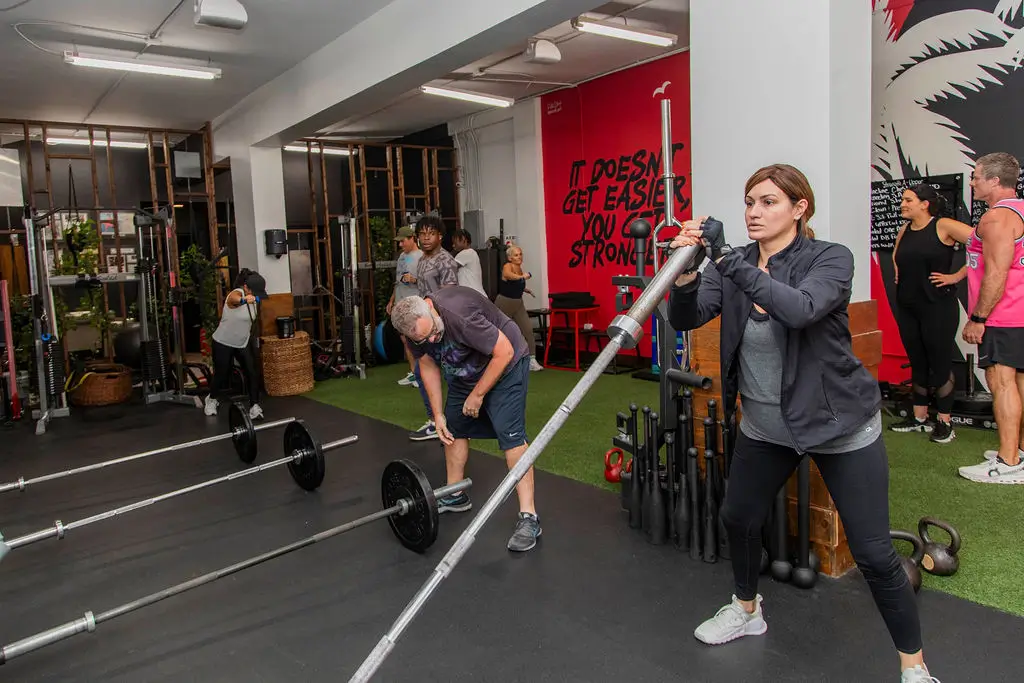
Small Group training is a structured training approach where a coach leads a small group through planned workouts designed to improve strength, conditioning, and overall fitness. Unlike large fitness classes, group training usually focuses on proper form, progressive overload, and individual adjustments within a shared session.
Most group training programs are built around strength training principles. This means exercises are selected to help you build muscle mass, move better, and get stronger over time. Coaches track progress, adjust loads, and make sure movements are performed safely. These coached workouts are one of the biggest reasons group training for fat loss works so well long term.
In small group training settings, participants receive personal attention without the pressure or cost of one-on-one training. This balance helps people stay consistent, which is often the missing piece in fat loss journeys. Training consistency matters more than extreme effort once or twice a week.
Small Group training Miami programs like those at Primal Fit Miami focus on sustainability. The workouts challenge you, but they also respect recovery time. This approach reduces injury risk and keeps people training week after week, which is essential for real fat loss results.
What Are HIIT Classes?
HIIT stands for High-Intensity Interval Training. HIIT classes are designed around short bursts of very intense exercise followed by brief rest periods. These classes became popular because they promise high calorie burn in a short amount of time.
A typical HIIT class includes fast-paced movements such as jumps, sprints, bodyweight circuits, and timed intervals. The workout intensity is high, and the goal is to push your heart rate close to its maximum repeatedly during the session.
HIIT classes for fat loss are often marketed as the fastest way to lose weight. The logic sounds simple. Burn more calories in less time, and fat loss will follow. While HIIT can increase calorie burn during a workout, it also places a high demand on the nervous system and joints. Recovery time becomes a critical factor that many people overlook.
People searching for hiit classes near me often enjoy the energy and fast pace at first. Over time, however, the physical stress can make it hard to maintain consistency, especially for beginners or busy adults managing work and family life.
Group Training vs HIIT Classes: Key Differences
When comparing group training vs HIIT classes, the biggest differences are structure, coaching, and long-term progression. Small Group training follows a plan that evolves over time. HIIT classes often focus on variety and intensity rather than progression.
In group training, workouts are designed to improve strength and movement quality. Exercises repeat across weeks so your body can adapt and improve. This supports muscle mass retention, which plays a major role in sustainable fat loss.
HIIT classes prioritize speed and effort. Movements change frequently, and intensity remains high regardless of experience level. While this creates a strong calorie burn, it does not always support long-term improvement.
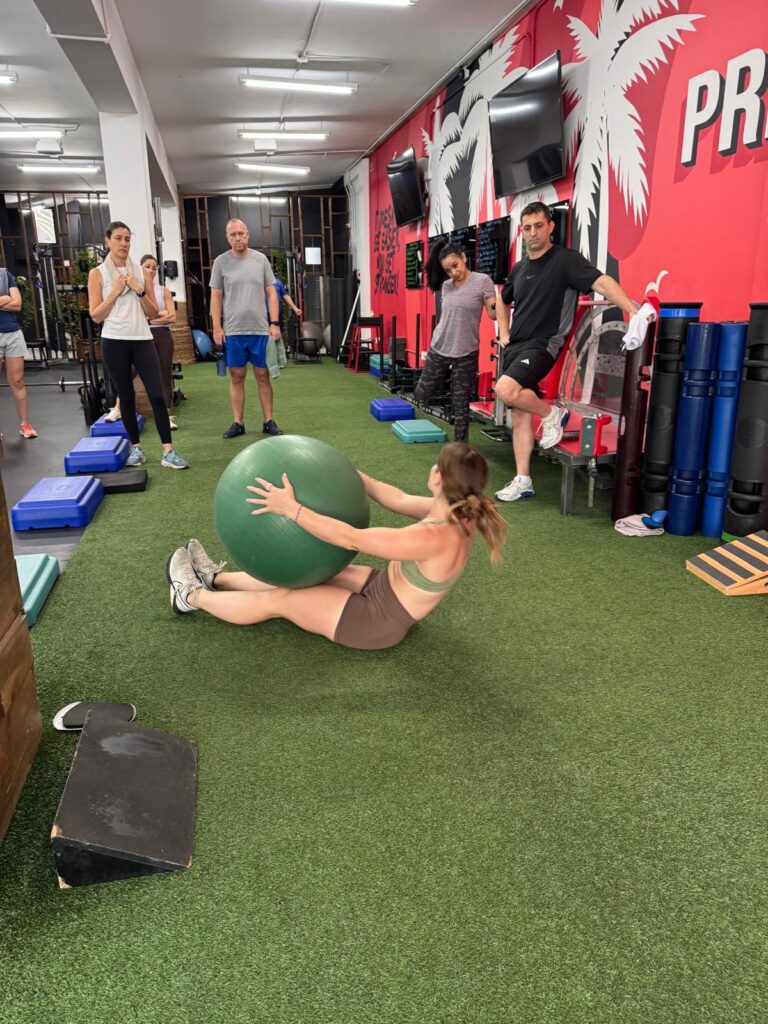
Small group training vs HIIT becomes an important comparison here. Small group training allows coaches to correct form, scale exercises, and reduce injury risk. HIIT classes, especially large ones, often limit individual feedback, which can lead to poor movement patterns over time.
Which Burns More Calories During a Workout?
HIIT classes usually burn more calories during the workout itself. The high workout intensity drives heart rate up quickly, which increases short-term energy expenditure. This is why HIIT is often promoted as the best workout for fat loss.
However, calorie burn during a single session does not tell the full story. Fat loss depends on how your body responds after the workout and how often you can train consistently. Group training sessions may burn slightly fewer calories in the moment, but they help build muscle mass, which raises your resting metabolism.
Muscle tissue burns more calories at rest than fat tissue. This means group training for fat loss supports your body even outside the gym. Over time, this creates a bigger impact than chasing extreme calorie burn a few times per week.
Fat Loss vs Weight Loss: Why This Matters
Many people confuse weight loss with fat loss. The scale going down does not always mean you are losing fat. You may be losing water or muscle mass, especially with very intense training and limited recovery.
Sustainable fat loss focuses on improving body composition. This means reducing body fat while preserving or increasing muscle mass. Group training supports this process by combining strength work with conditioning in a balanced way.
HIIT vs strength training comparisons often miss this point. HIIT alone may lead to short-term weight loss, but without strength training, muscle mass can decrease. Losing muscle makes long-term fat loss harder and slows metabolism.
For people who want lasting results, the goal should be fat loss, not just a lighter number on the scale. This is where group training programs create a clear advantage.
Group Training for Fat Loss: Pros and Cons
Pros of Group Training
Group training builds muscle mass, which supports long-term fat loss and metabolic health. The coached workouts help improve technique, reduce injury risk, and ensure exercises match your ability level.
Another major benefit is training consistency. When you train with a group and a coach expects you to show up, accountability increases. Consistency is one of the strongest predictors of fat loss success.
Group training also allows for proper recovery time. Sessions are intense but balanced, which makes it easier to train multiple days per week without burnout. This steady rhythm supports sustainable fat loss instead of short bursts followed by long breaks.
Cons of Group Training
Group training may not feel as intense as HIIT for people who enjoy constant high effort. Some individuals may initially feel they are not working hard enough, even though the results come over time.
Progress also requires patience. Group training focuses on gradual improvement rather than instant exhaustion. For people expecting quick fixes, this can feel slower at first.
HIIT Classes for Fat Loss: Pros and Cons
Pros of HIIT Classes
HIIT classes for fat loss attract people because they feel intense and efficient. A short session can feel extremely challenging, and many participants enjoy leaving the gym feeling exhausted. This high workout intensity can increase calorie burn during the workout itself, which gives a strong sense of accomplishment.
Another benefit of HIIT classes is time efficiency. For people with very limited schedules, a 30 to 40 minute workout may feel more manageable than longer training sessions. This is one reason people searching for hiit classes near me often choose this format.
HIIT workouts can also improve cardiovascular fitness when programmed correctly. Short bursts of effort followed by rest periods push the heart and lungs to adapt, which can improve endurance over time.
Cons of HIIT Classes
The biggest drawback of HIIT classes is recovery time. High intensity workouts place heavy stress on the body, especially when done frequently. Many people underestimate how much recovery they need, which leads to fatigue, soreness, and eventually skipped workouts.
Injury prevention is another concern. Fast-paced movements performed under fatigue increase the risk of poor form. In large classes, individual coaching is limited, which makes it harder to correct mistakes. Over time, this can lead to joint pain or overuse injuries.
HIIT classes also struggle with progression. Because workouts change constantly, it is difficult to measure improvement or build strength systematically. This makes long-term fat loss harder to sustain compared to structured training programs.
Group Training vs HIIT Classes: Which Is Better for Beginners?
For beginners, the comparison between group training vs HIIT classes becomes even more important. Beginners need to learn how to move correctly before pushing intensity. Group training supports this process by emphasizing technique, controlled loading, and gradual progress.
In group training, coaches adjust exercises based on skill level. This helps beginners build confidence while reducing injury risk. The focus stays on learning proper movement patterns, which sets the foundation for future fat loss success.
HIIT classes can feel overwhelming for beginners. The fast pace and high workout intensity may push people beyond their limits before they develop basic strength and coordination. This often leads to frustration or early dropout.
For people new to fitness, group training is usually the safer and more effective starting point. It creates a supportive environment where progress feels achievable rather than intimidating.
Which Delivers Better Long-Term Fat Loss?
Long-term fat loss depends on what you can maintain consistently. Group training for fat loss excels here because it balances effort, recovery, and progression. People who train consistently for months see better body composition changes than those who cycle through extreme programs.
HIIT classes may produce short-term results, but maintaining high intensity week after week is difficult for most adults. Burnout becomes a real issue, especially when combined with work stress, poor sleep, and limited recovery time.
Sustainable fat loss requires a program that fits your lifestyle. Group training allows flexibility while still providing structure. Over time, this leads to better adherence, stronger habits, and more reliable results.
Group Training vs HIIT for Busy Adults
Busy adults often believe they need the hardest workout possible to see results. In reality, the best workout for fat loss is the one you can repeat consistently without breaking down.
Group training sessions respect recovery time, which makes it easier to train multiple days per week. This creates steady momentum without overwhelming the body. For professionals balancing long work hours, this approach fits real life.
HIIT classes may feel efficient, but the recovery cost is often high. When fatigue accumulates, people skip sessions, which breaks training consistency. Missing workouts slows progress more than choosing a slightly less intense program.
For busy adults, group training provides a smarter balance between challenge and sustainability.
How Coaching Impacts Fat Loss Results
Coaching is one of the most overlooked factors in fat loss success. Coached workouts improve form, guide progression, and keep intensity appropriate for each individual. This leads to better results with lower injury risk.
In group training settings, coaches monitor movement quality and adjust exercises when needed. This creates a safer environment and allows participants to push harder when appropriate.
HIIT classes often rely on general cues delivered to the whole group. While this works for experienced athletes, it leaves beginners and intermediate participants without personalized guidance.
Fat loss is not just about effort. It is about applying effort correctly. Coaching makes that difference clear.
Can We Combine Group Training and HIIT?
Some people benefit from combining group training and occasional HIIT sessions. This approach works best when strength training forms the foundation and HIIT is used strategically.
Group training builds muscle mass, improves movement, and supports recovery. Adding limited HIIT sessions can increase calorie burn without overwhelming the system.
The key is balance. Too much HIIT reduces recovery time and increases injury risk. When used carefully, HIIT can complement group training rather than replace it.
What Most People Get Wrong About HIIT
Many people believe sweating more means losing more fat. This is one of the biggest myths in fitness. Sweat reflects fluid loss, not fat loss.
Another common mistake is doing HIIT too often. Daily high intensity training increases fatigue and reduces training consistency. Over time, this leads to stalled progress or injuries.
Fat loss requires patience and planning. Extreme approaches rarely work long term, even if they feel effective at first.
What to Look for When Choosing Workout Classes
When choosing between workout classes near me, consider coaching quality, class size, and program structure. Look for programs that prioritize injury prevention, progression, and recovery.
If you are searching for group training in Miami or small group training in Miami Shores options, choose facilities that emphasize coaching and long-term results like Primal Fit Miami. If you are comparing hiit classes near me, ask how recovery and scaling are handled.
Small group training near me options often offer the best balance between personalization and community. This structure supports both physical progress and motivation.
Why Group Training Works Better for Most People
Group training works because it aligns with how the body adapts. Strength training preserves muscle mass, supports metabolism, and improves movement quality. Combined with conditioning, it delivers sustainable fat loss.
At Primal Fit Miami, group training focuses on structure, coaching, and consistency. This approach helps people stay committed and see real changes over time.
Rather than chasing exhaustion, group training builds a system that supports progress week after week.
Final Verdict: Group Training vs HIIT Classes for Fat Loss
When comparing group training vs HIIT classes, the winner depends on your goals and lifestyle. HIIT offers short-term intensity and high calorie burn, but it comes with recovery challenges and higher injury risk.
Group training delivers sustainable fat loss by building muscle mass, improving movement, and supporting training consistency. For most people, this approach leads to better long-term results and a healthier relationship with fitness.
If your goal is lasting fat loss, strength, and confidence, small group training provides a smarter and more reliable path.
Looking for a smarter approach to fat loss?
If you want coached workouts that support sustainable fat loss, protect muscle mass, and help you stay consistent without burnout, group training may be the right fit for you.
Frequently Asked Questions About Group Training vs HIIT Classes
Group training is usually better for sustainable fat loss because it supports muscle mass, recovery, and consistency over time.
Most people see great results training three to four days per week, depending on recovery and lifestyle.
Excessive HIIT without strength training can contribute to muscle loss, especially when recovery is limited.
HIIT classes can be challenging for beginners due to high workout intensity and limited coaching adjustments.
Training consistency matters more than short-term calorie burn for long-term fat loss.
Yes, coached workouts and structured programming in group training support injury prevention and safe progression.
📍 Located in Miami Shores, serving El Portal, Biscayne Park, and surrounding areas
💪 Semi-private training that feels personal, not crowded
📞 Ready to book your training class ? Book a Free Consultation or call now! (305) 951-6648